
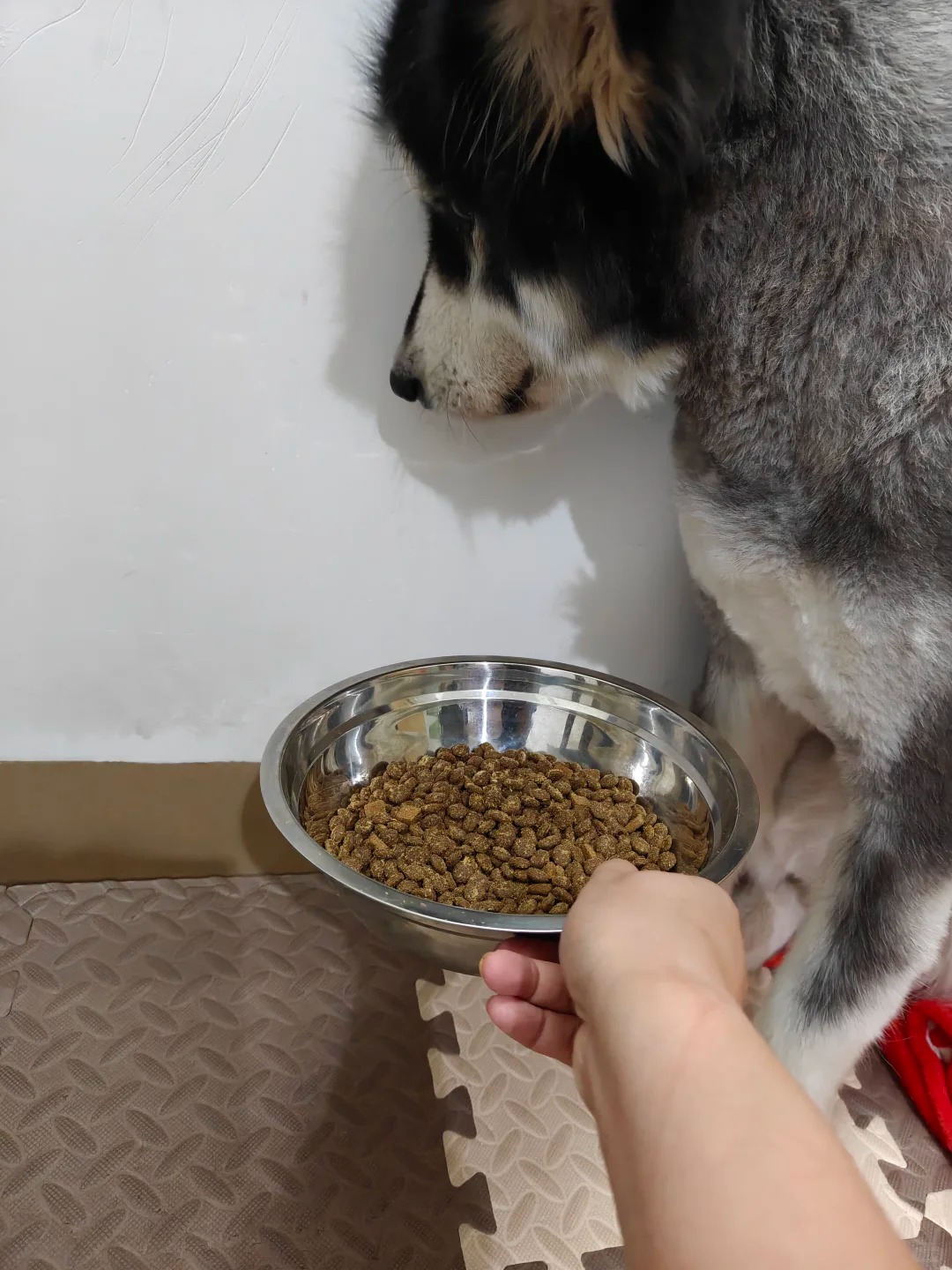
Before calling a dog “picky,” ask what has changed
A dog noses the bowl, walks away, then appears when someone opens a packet of food. It is tempting to call that picky eating. The more useful question is: is this dog eating less overall, or only refusing one food? The answer changes what to do next.
If your dog has suddenly stopped eating, seems interested in food but drops it while chewing, or is quieter than usual, call your veterinarian. Mouth pain, nausea, medication effects and other illness can look like fussiness. VCA advises prompt evaluation when a pet has reduced appetite, refuses food, or seems to be in pain while eating. A puppy, very small dog, senior, or dog with diabetes or another medical condition needs an individual plan; do not test their hunger by withholding meals.
Look at the dog before changing the food
Note when the change began and whether your dog will eat treats, wet food, or a familiar meal. Watch for vomiting, diarrhoea, drooling, bad breath, pawing at the mouth, trouble chewing, unusual thirst, pain, weight loss, or lower energy. These details tell a veterinarian more than “he is being stubborn.” If your dog refuses all food or has other symptoms, contact the clinic promptly. For a dog with diabetes that misses even one meal, seek veterinary advice right away.
A normal blood test or a quick look in the mouth does not prove the problem is behavioural. Dental disease can hide below the gumline; the next examination or follow-up depends on the dog. The VCA guide to canine picky eating puts a medical check first.
Count everything that goes into the mouth
For three to five days, record the amount of regular food offered and actually eaten. Add training treats, chews, table scraps, food used to hide tablets, and anything another household member gives. A dog may turn down dinner because much of the day’s food arrived in small pieces elsewhere. Weigh portions if you can; a scoop can be generous without anyone noticing.
Compare that diary with your dog’s weight and body condition with your veterinary team. Feeding directions on a bag are a starting point, not an exact prescription. For a healthy dog, treats should generally stay below 10% of daily calories, according to the WSAVA treat guide. Rewards do not have to disappear; measure them and include them in the day’s plan. If people in the home share food, DailyTrail’s guide to human foods for dogs covers common hazards.
Make meals predictable without a standoff
Once a veterinarian has ruled out a health concern and your dog is maintaining a healthy weight, offer a measured portion in a quiet place at regular times. Choose a schedule that fits your dog’s age, health, and household. Keep the bowl away from foot traffic and other pets that may crowd it. Give one suitable diet enough time to observe a pattern instead of opening a new flavour whenever a meal is left unfinished.
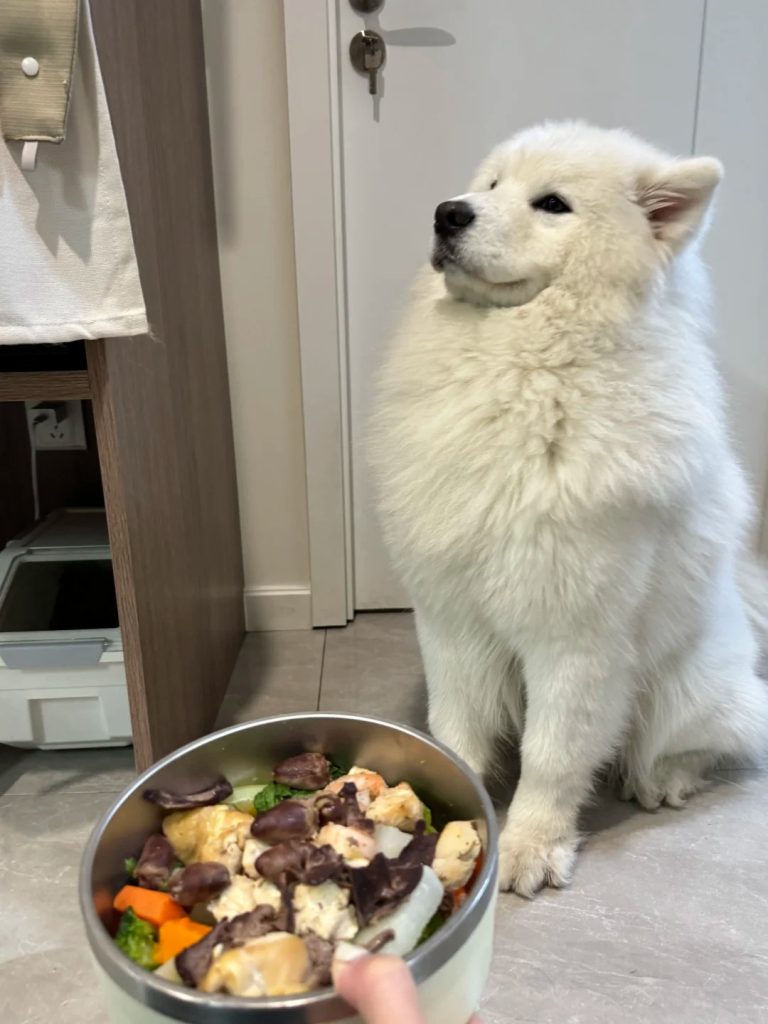
Some families remove an uneaten bowl after a short, calm mealtime and offer the next planned meal later. That routine helps show what the dog actually eats; it is not permission to let a dog go hungry for a day or two. If intake falls, weight changes, or your dog seems unwell, stop and speak with the vet. A prescription diet or a condition such as diabetes needs the clinic’s feeding instructions.
Check the food itself. Has the bag been open for weeks, stored in heat, or changed formula? Does the dog manage a softer texture better than hard kibble? Those observations may point to freshness, texture preference, or mouth discomfort. If a diet change is needed, ask your veterinary team how to transition, especially if your dog has a sensitive stomach. Repeatedly adding rich toppers makes it harder to know what helped.
Give the bowl a fair chance
Offer a normal walk and opportunities to sniff and play because they belong in a dog’s day, not to force hunger. Try a different quiet feeding spot or put part of the measured ration in a suitable food puzzle if your dog enjoys it. Keep water freely available. If several people feed the dog, agree on one plan and one food diary.
Over the next week, look for steady intake and stable weight, not a perfectly empty bowl at every meal. A dog that leaves progressively more food, loses weight, or develops another symptom deserves another veterinary conversation even if an earlier examination was reassuring. A brief home health check may help you notice changes worth reporting, but it cannot diagnose a loss of appetite.
Editorial note: This article provides general dog-feeding information and does not replace advice from a veterinarian familiar with your dog.
[…] intake. If a dog starts leaving meals, do not assume it is merely “picky”; DailyTrail’s guide to a dog refusing regular meals explains what to check before changing the […]