
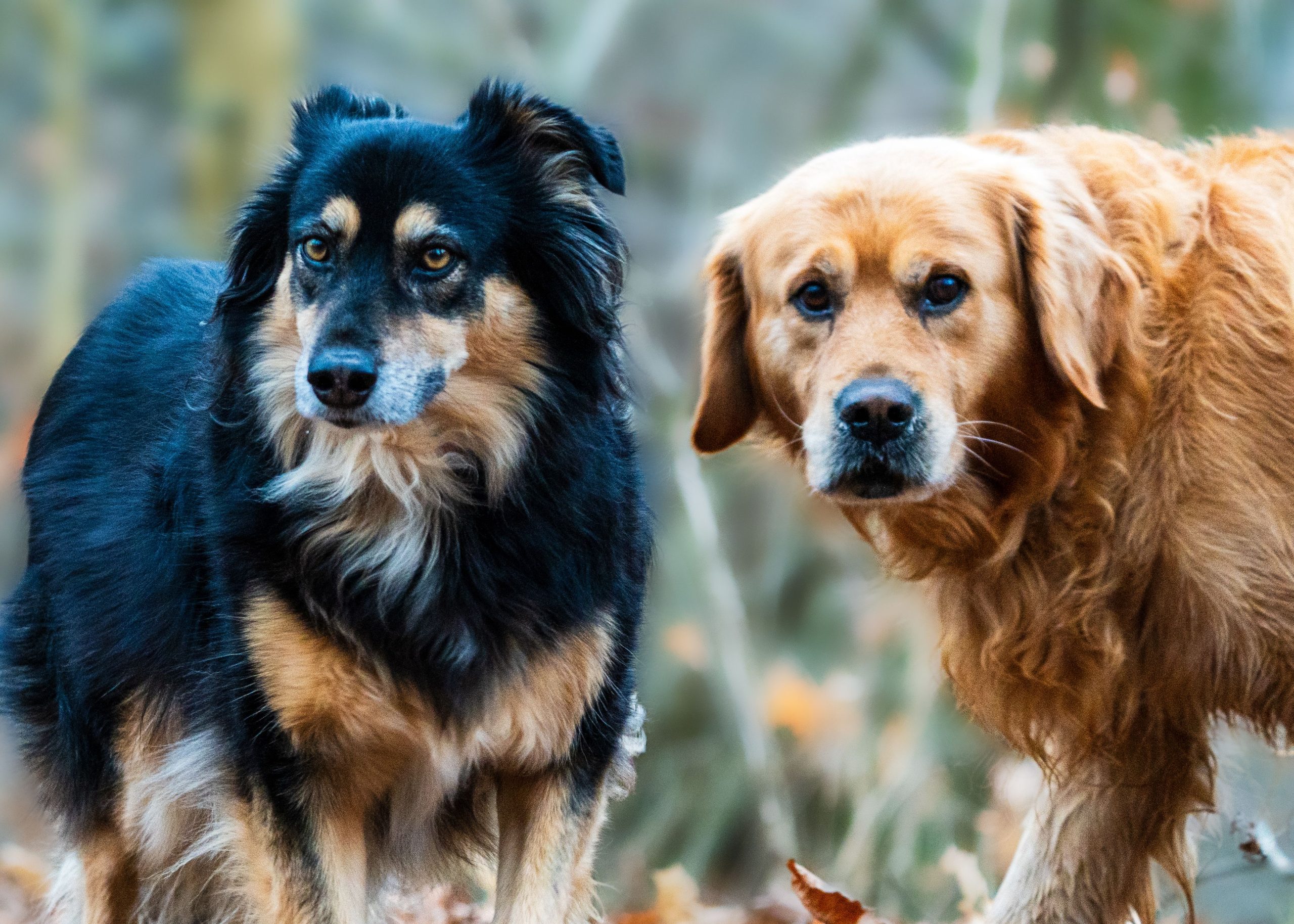
When your dog is a puppy, you worry about whether they are growing right. When they become an adult, the focus shifts to keeping things stable.
A lot of people start slacking off once the puppy stage ends. The dog is grown, so less to worry about, right? But adult dog care is not less. It is just different.
I had a dog who, after turning two, seemed fine physically. But his weight started creeping up. His energy wasn’t what it used to be. I thought, “He is just getting older.” Until the vet told me: “He is not old. His activity and food intake are out of balance, and his metabolism is slowing down.”
That was when I shifted my approach. It is no longer about “growing” the dog. It is about “stabilizing” them.
From Growing to Maintaining
Adult dogs have stopped growing. Their metabolism is lower than when they were puppies. If you keep feeding them like they are still growing, weight will slowly creep up.
How much an adult dog needs depends on breed, activity level, neuter status, and metabolism. A working dog of the same weight can burn over 30 percent more calories per day than a couch companion. Spayed or neutered dogs have a 20 to 30 percent lower metabolic rate, and their food intake should be adjusted accordingly.
How to tell if you are feeding the right amount: Look at body condition. You should feel ribs without pressing hard, but not see them sticking out. From above, you should see a waist. From the side, the belly should tuck up. If the waist starts disappearing and you cannot feel the ribs easily, you are overfeeding. Cut back on portions or increase activity.
Adult dogs usually do well on two meals a day, at set times. Do not give random treats between meals. If you do, reduce the main meal portion accordingly.
Exercise — From Burning Energy to Maintaining Condition
Puppy exercise is about burning off extra energy. Adult dog exercise is about maintaining heart health, joint function, and muscle mass. As they age, the focus shifts again.
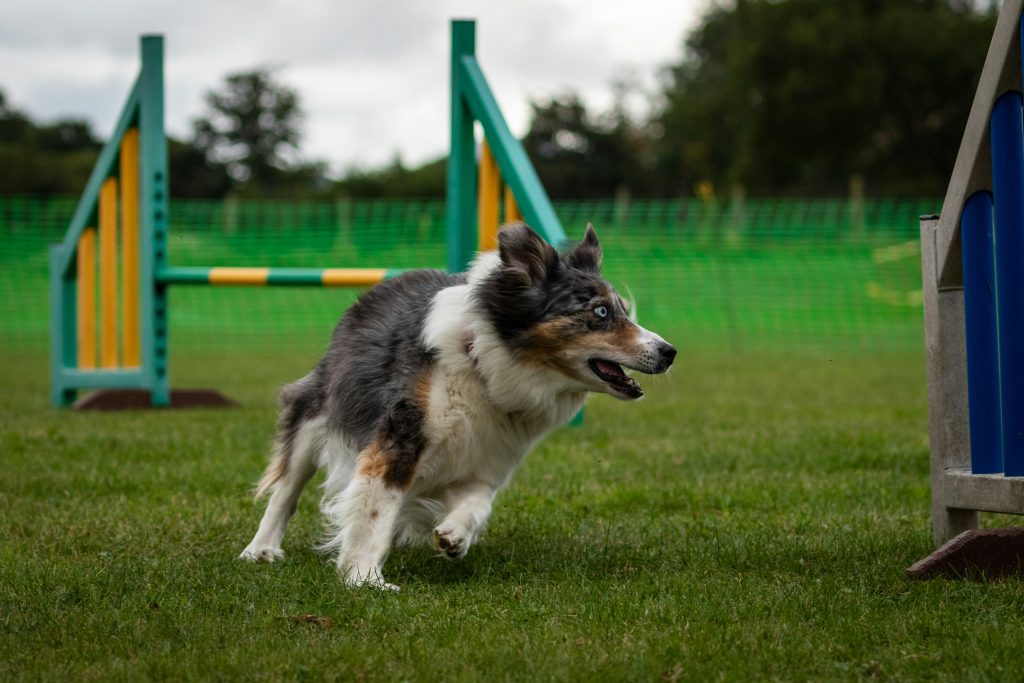
Most adult dogs need 30 to 60 minutes of activity per day, depending on breed and size. Small breeds or brachycephalic breeds might only need 20 to 30 minutes. High-energy breeds like Border Collies or Huskies may need 60 to 90 minutes.
Exercise is not just about quantity. It is about variety: A daily walk is fine, but adding variation helps. Different routes. Different surfaces. Sniffing time. Gentle slopes or stairs. These engage different muscle groups and provide mental stimulation.
If your dog still seems restless, paces indoors, or destroys things after exercise, they probably need more or more intense activity. If they are limping or stiff the next day, you pushed too hard or the surface was too rough.
Teeth — The Most Overlooked Issue in Adult Dogs
The most common health issue in adult dogs is not joint problems or digestive upset. It is dental disease.
Tartar and plaque build up during adulthood. Left untreated, gingivitis becomes periodontal disease. Bacteria can enter the bloodstream and affect the heart and kidneys.
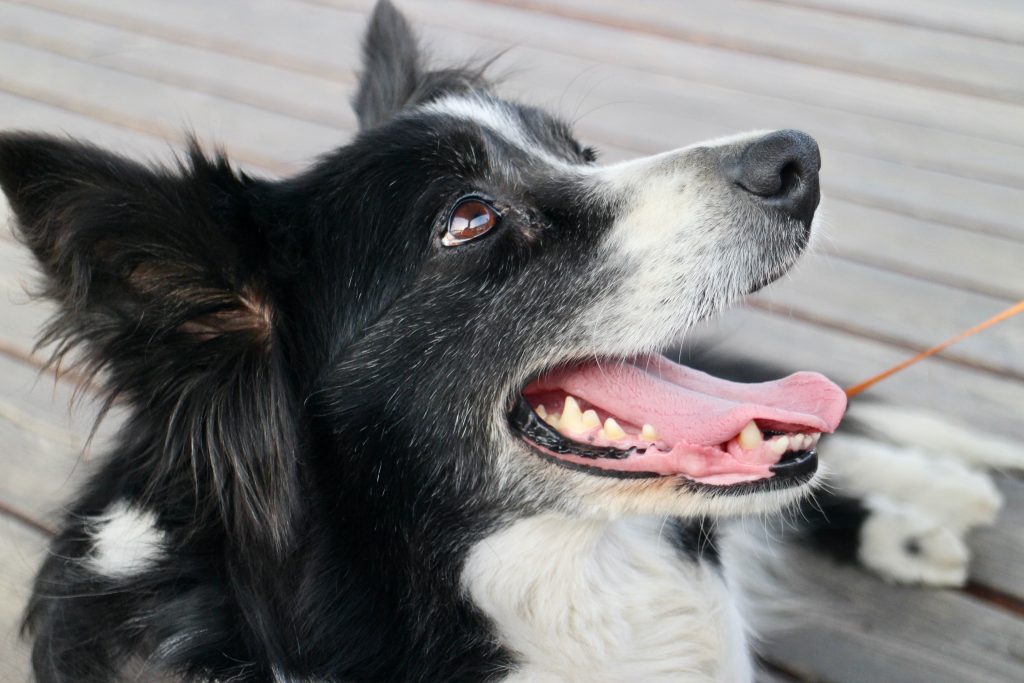
Daily care: Brush at least 2 to 3 times a week using pet-safe toothpaste and a dog toothbrush. If your dog does not accept brushing, dental wipes or gels can help as a backup. But mechanical scraping — chewing, brushing — is more effective. Dental chews can help reduce buildup, but they are not a replacement for brushing. Get a professional dental cleaning at least once a year, based on your vet’s assessment. If you notice the breath getting worse, gums looking red, or your dog occasionally tilting their head or dropping food while eating, those are signs that their mouth is already uncomfortable. Do not wait until they are in visible pain.
Weight Management — Do Not Wait Until They Are Overweight
Adult dog weight management is a long-term task.
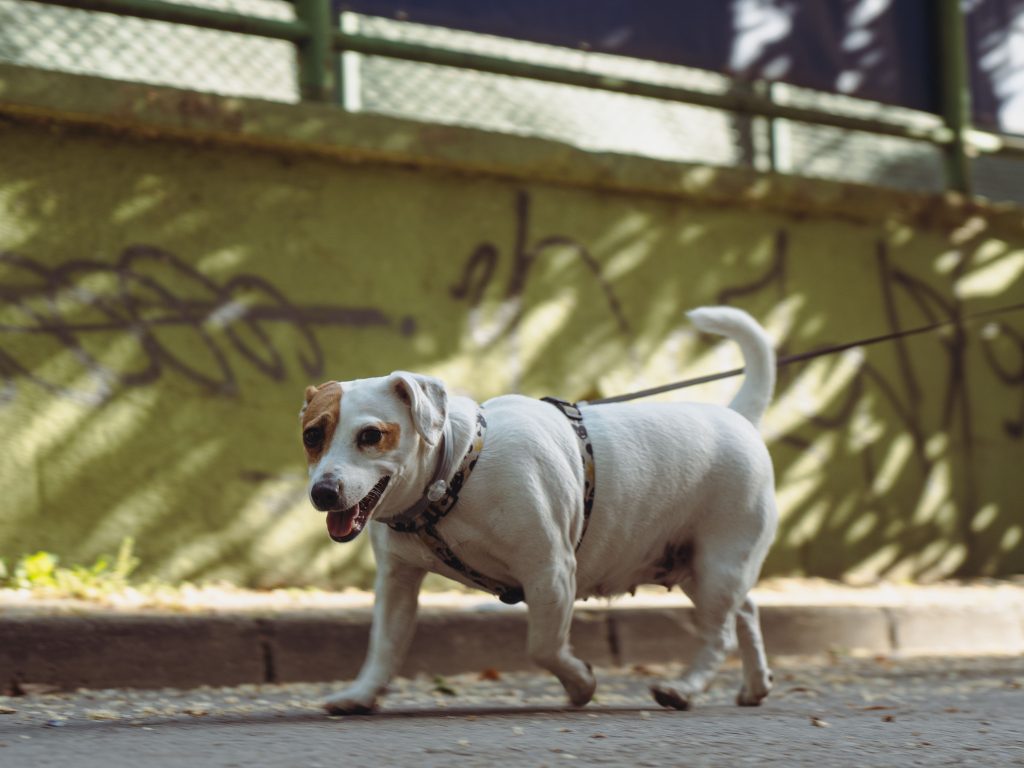
Weigh them once a month. You do not need a clinic scale. Step on a human scale holding your dog, subtract your own weight, and record it. Watch the trend. If weight creeps up over three months, something needs to change — either portion sizes or activity levels.
An adult dog carrying 10 to 15 percent excess weight is already putting more stress on their joints, especially in medium and large breeds. At this stage, reducing daily food by 10 to 15 percent or adding ten more minutes of walking per day can shift things back in two to three months. Early intervention is easier and more effective.
Behavior and Mental Health — Adults Need Routine and Novelty
By adulthood, your dog’s habits are mostly set. But that does not mean you stop paying attention.
Watch for changes. If a previously stable adult dog suddenly starts destroying things, barking excessively, losing appetite, or withdrawing, do not just assume “they are being bad.” Check first for environmental changes, disruptions to their routine, or potential physical discomfort.
Mental stimulation still matters. New smells, different walking routes, interactive puzzle toys — these keep an adult dog’s brain engaged. As they age, providing appropriate mental challenge helps maintain cognitive function.
Why Annual Checkups Matter
Adult dogs need a basic checkup once a year. It is not “looking for trouble.” It is building a baseline — a normal range for your dog, against which future changes can be measured.
Blood work, full chemistry panel, urinalysis, body condition scoring, dental check, heart and lung auscultation — all of these help catch early changes in metabolism and organ function. Many chronic conditions in adult dogs show no outward symptoms in the early stages. The annual checkup is often the only way to spot them.
Final Thoughts
Adult dog care is not about doing less. It is about shifting your attention to the right places. You do not need to weigh every meal or count every calorie. But you do need a stable routine — consistent meals, regular exercise, dental care, and yearly vet visits.
Keep those things steady, and your dog’s life stays steady. That makes your life easier too.
If you start weighing once a month, brushing their teeth a few times a week, keeping up basic daily exercise, and booking that annual checkup, you have already covered most of what adult dog care requires. Everything else is just staying consistent.