

You have watched dozens of dog training videos. You follow multiple trainers on social media. You feel prepared. Then you bring the dog home. The first night, they howl for hours. You sit in the living room until sunrise, your phone search history full of “how to stop dog from crying at night.”
Do not ask me how I know.
There is a massive gap between reading about dog ownership and actually living it. Over the past ten years, I have worked with more than a dozen dogs — from eight-week-old puppies to adult dogs that had been returned twice. What follows is not the generic advice you can find with a quick search. It is what I learned while repairing chewed sofas, cleaning urine-soaked carpets, and waking up at 4 AM to barking.
Before You Bring a Dog Home, Ask Yourself One Hard Question
You are bringing home a dog. Not a moving stuffed animal.
Dogs need to go outside. Rain or shine, freezing cold or blazing hot — at least twice a day. When you are sick, you take them out. When you are exhausted, you take them out. When you slept three hours last night, you still take them out. If that sounds like a problem, you are not ready.
I have met too many people who only thought about the fun parts. “A companion!” “A jogging buddy!” They never thought about who walks the dog in the pouring rain. Who walks them after a 10-hour workday. Who drags themselves out of bed at 6 AM in winter.
Get these questions answered before the dog steps through your front door. If you are not sure, wait. It is not giving up — it is being responsible.
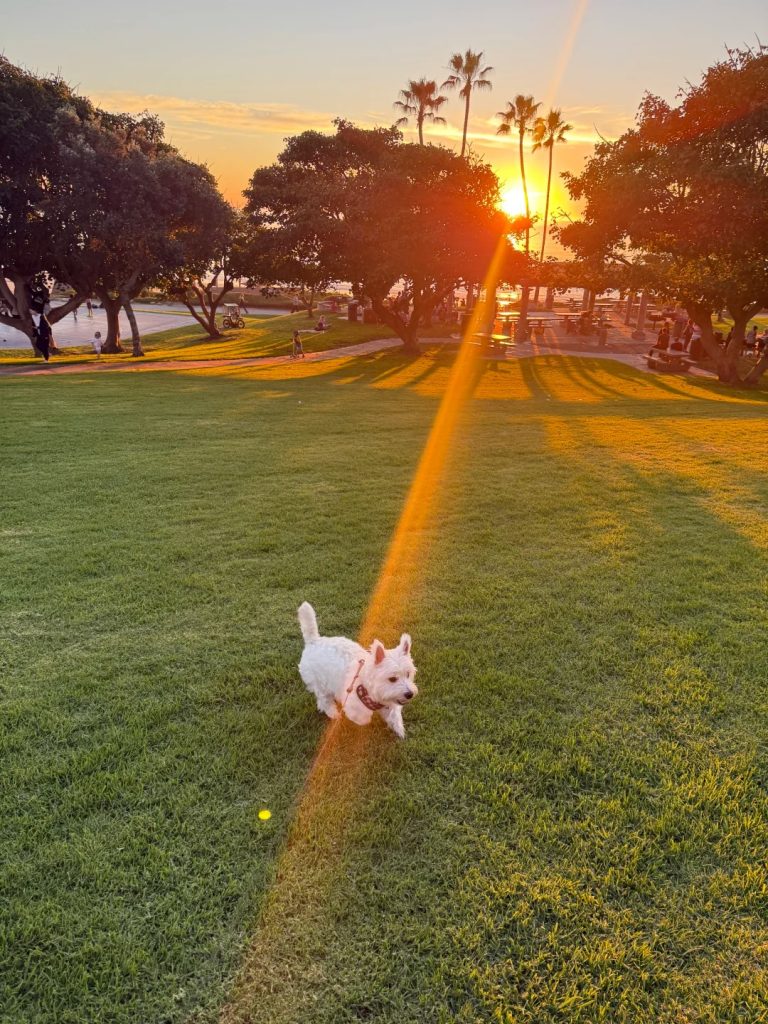
The First Night — Prepare for No Sleep
A puppy leaves their mother and siblings, arrives in a completely unfamiliar place, and has no idea what is happening. They are scared, lonely, and confused. The only thing they know how to do is cry.
This is not bad behavior. It is a cry for help.
Set up a separate room with a crate or playpen as their “safe zone.” Put in a towel with the scent of their previous home. Add a clock that ticks or a snuggle toy with a heartbeat sound.
Then, you do what you have to do — you endure. They will cry. You can sit nearby so they smell you, but do not take them out. You are teaching them: this space is safe, but the rules are the rules.
Let us be honest — you will probably not sleep well for the first week. Stock up on coffee and adjust your expectations. This is the first real test of dog ownership. Push through it.
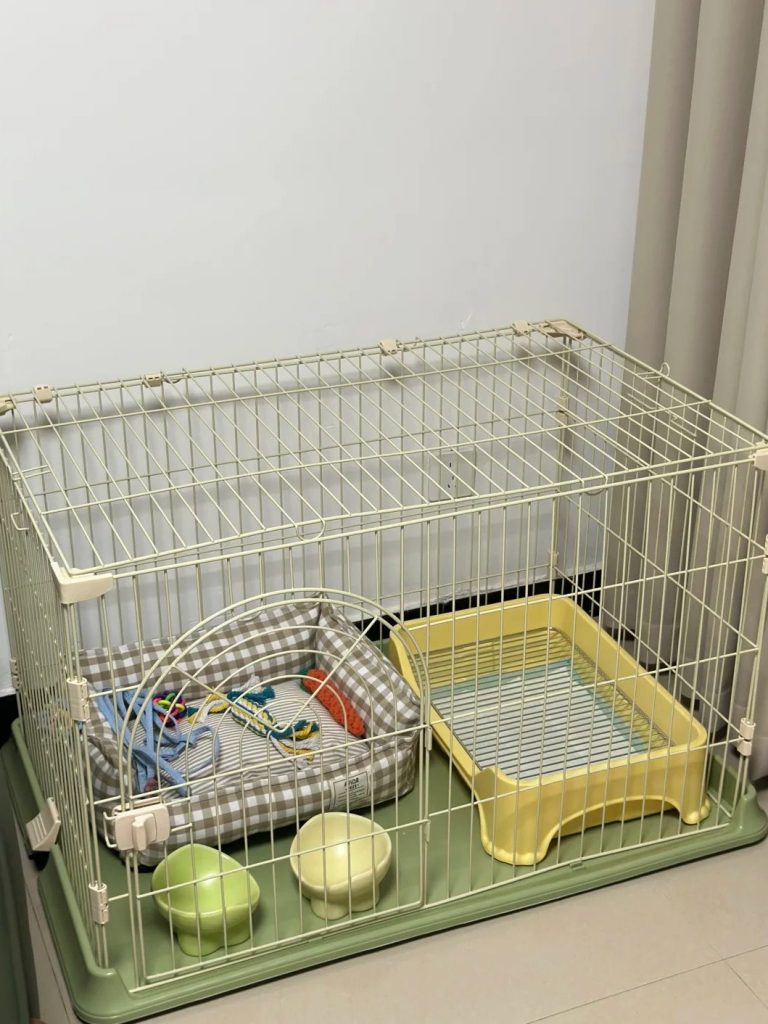
Crate Training — Not a Prison, a Bedroom
“Crating a dog is cruel” — I have heard this so many times. But most people who say this have never actually understood what crate training is.
The crate is not punishment. It is the dog’s safe space. In the wild, a dog’s ancestors rested in dens. Small, enclosed spaces give them a sense of security. A properly crate-trained dog will walk into their crate on their own when they feel stressed or tired.
Here is how you do it:
- Never use the crate as punishment
- Feed meals inside the crate so the dog associates it with good things
- Keep the door open at first, letting them go in and out freely
- Once they are comfortable, start closing the door for short periods
Puppies have limited bladder control. They need to go out every couple of hours. The crate also helps with potty training — dogs naturally avoid soiling their sleeping area.
Potty Training — Patience Beats Any Trick
This is the number one concern for new owners — no question.
My method: take them out frequently, rather than waiting for mistakes. Puppies need to go out every one to two hours. After meals, after waking up, after playtime — these three moments are critical. Take them out every single time.
Inside, use a playpen to limit their roaming area. Do not give them free run of the house — they will find a corner you are not watching and do their business there.
If they have an accident indoors — never punish them. They do not understand. All they know is that you are scary. Clean it up quietly with an enzymatic cleaner to break down the odor completely. Then remind yourself to take them out earlier next time.
I have tried every method, and the one that works best is simple: take them out ten times when they do not need to go, rather than cleaning up once when they do. When they go outside, reward them with high-value treats and exaggerated praise. They will figure it out.
Socialization — The Golden Window
Between 3 and 14 weeks of age, puppies go through their most critical socialization period. Anything they encounter during this window is registered as “normal.” Miss it, and they will be fearful of those same things for the rest of their lives.
Your job: introduce them to different people, dogs, environments, and sounds. People in hats. People with beards. People holding umbrellas. People pushing strollers. Quiet streets, busy parks, pet store entrances. Car noises, vacuum cleaners, recorded thunder (start at low volume).
But do not force it. Every interaction should be positive — use treats for association. If the dog shows fear, back off. Let them set the pace.
The goal of socialization is not to make your dog a social butterfly. It is to make them comfortable living in a world full of humans and noise. That distinction matters.
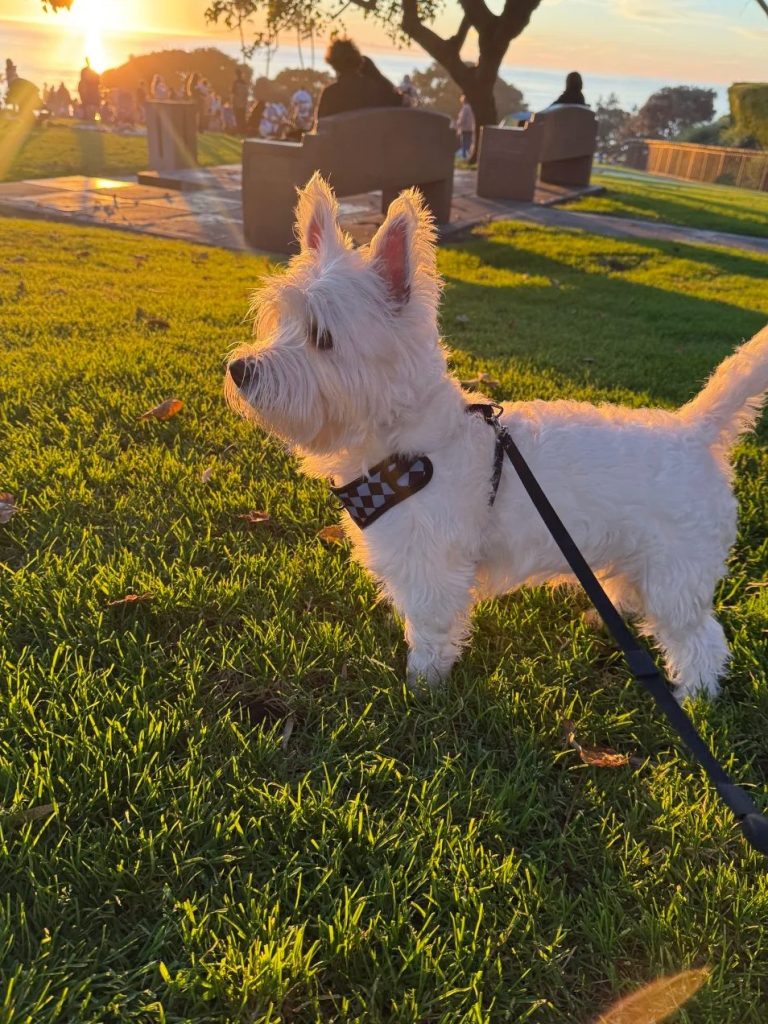
Three Commands to Teach from Day One
Some habits are easy to fix when they are young and nearly impossible when they are older.
Sit — the easiest one to teach. Hold a treat just above their nose and move it slowly backward. Their rear end naturally lowers to the ground. The moment it hits the floor, say “sit” and give the treat. Within days, you will have a dog that sits whenever they see you.
Stay — teach this during mealtime. Ask the dog to sit, say “stay,” and place the bowl on the ground. If they rush forward, pick the bowl back up and try again. They must wait until you say “okay” to eat. This command can save their life — if they are about to dash toward a busy road, one “stay” can stop them.
Come — teach this indoors with treats and praise. Outdoors, practice on a long leash first. Only let them off-leash when you are certain they will return reliably, even with distractions. The quickest way to lose a dog is to let them off-leash before they are fully trained.
Five minutes of practice each day on these three commands. Stick with it for a month, and your life will be dramatically easier than owners who skipped this step.
Walks Are Not Just Bathroom Breaks
For a dog, a walk is not just about eliminating. It is their “social media” — they read messages left by other dogs, explore their environment, and burn off energy.
Adult dogs need at least 30 to 60 minutes of activity per day. High-energy breeds like Border Collies or Huskies need more. If they do not get enough exercise, they will find their own entertainment — chewing furniture, digging at walls, or sprinting laps around the house.
When you walk your dog, let them sniff. Every spot they smell is like reading a newspaper. It is their mental life. Do not constantly yank the leash forward.
That said, there are rules. A dog pulling ahead and dragging you down the street is not a walk — it is a drag. Use a leash that is 4 to 6 feet (about 1.2 to 1.8 meters) long. Keep the dog beside or slightly behind you. You set the direction. The dog follows.
Feeding — This Mistake Cost Me Real Money
One year, I had a dog with chronic diarrhea. We tried multiple foods, and nothing worked. Finally, the vet said something that hit me: “You might be feeding 15 percent more than they actually need.”
I went home, weighed the portions, compared them to the recommended amount on the bag — and yes, I was overfeeding. I cut back. The diarrhea stopped within three days.
Do not estimate portion sizes by eye. Use a kitchen scale or measuring cup. Determine the right amount based on their weight and body condition. From above, you should be able to see their ribs but not have them sticking out clearly — that is the ideal.
For treats, my rule is: no more than 10 percent of daily calories. Handing out treats randomly is the fastest path to an overweight dog. Do not love your dog into obesity.
Final Thoughts
Bringing a dog into your life is fundamentally a lifestyle change. You no longer wake up whenever you want. You no longer stay in when you do not feel like going out. But the reward is simple — every single day, when you walk through the door, there is a wagging tail waiting for you. They act like they have not seen you in years.
If you remember one thing from this guide, let it be this: your dog does not need a perfect owner. They need an owner who is willing to learn and willing to be patient. You do not have to know everything. You just have to be a little better today than you were yesterday. Stick with it, and you will become the greatest person in their world.