
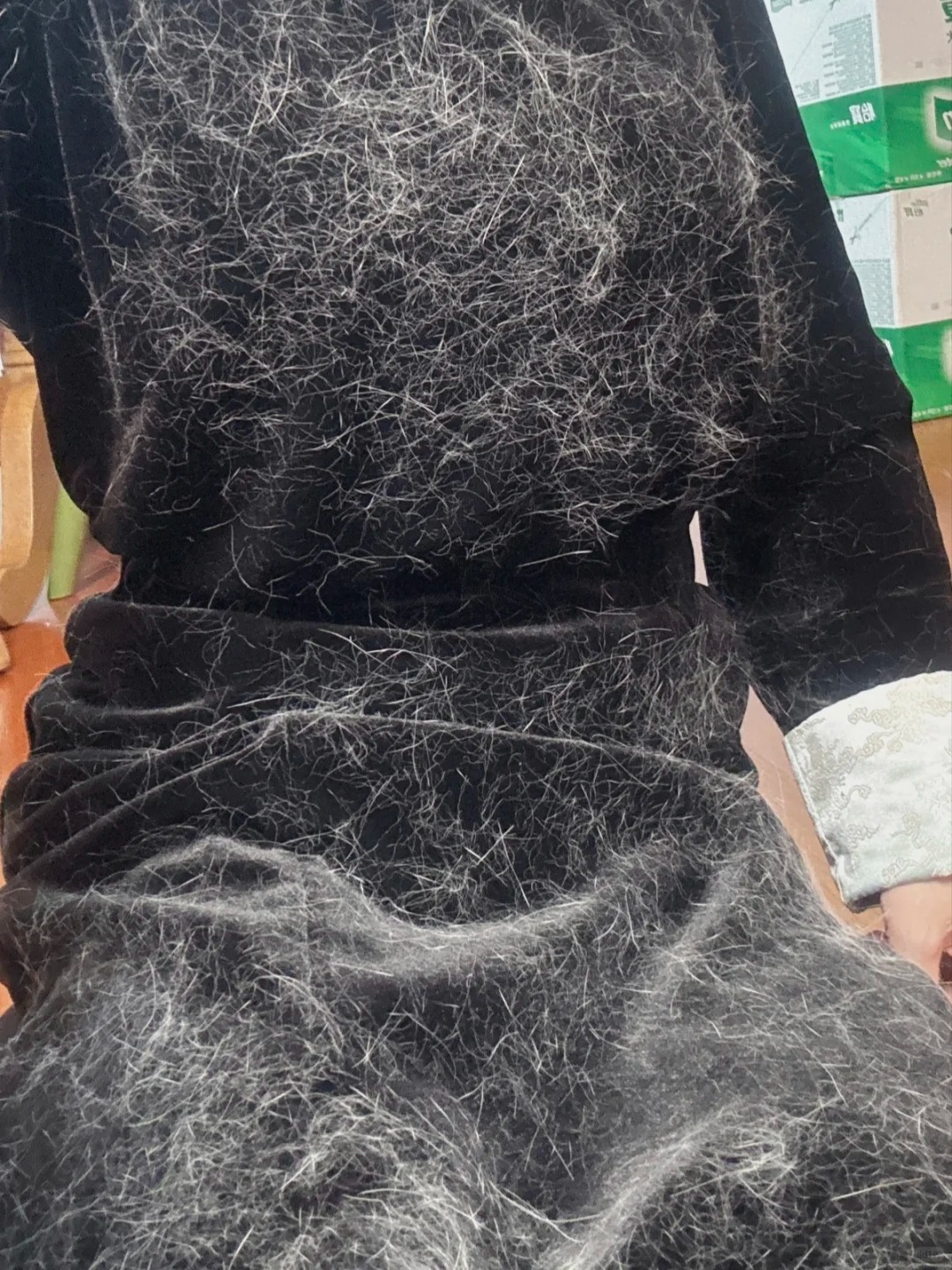
Loose hair on a sofa does not tell you by itself whether a cat is shedding too much. The useful comparison is with that cat’s usual coat: has the amount changed suddenly, is hair coming from one area, and does the skin underneath look normal? Ordinary shedding can be managed. Bald patches, broken hairs, inflammation, or a cat that cannot leave one spot alone call for a different response.
Establish what “usual” looks like
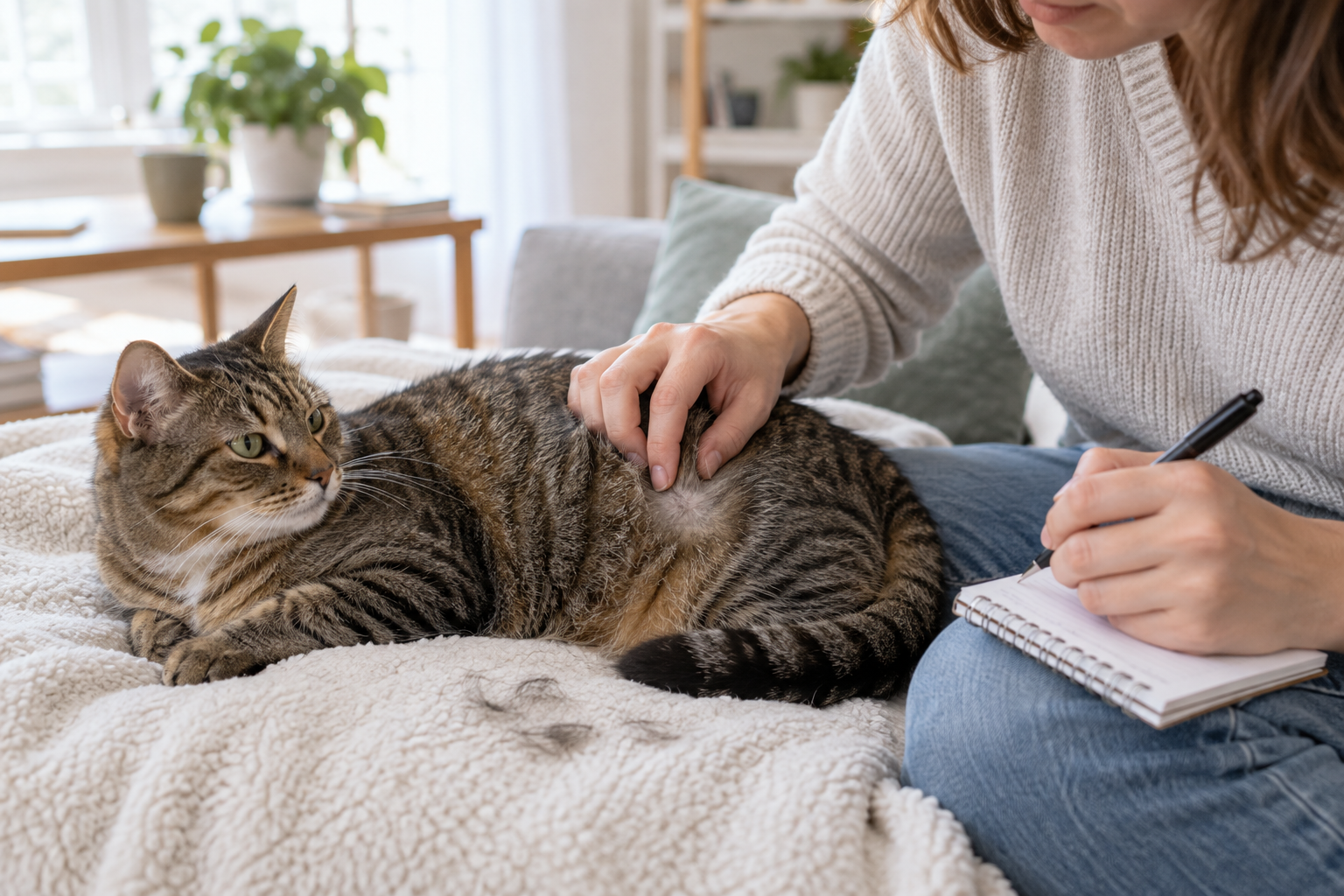
For one or two weeks, make a brief note after grooming. Record how much loose hair the tool collects, where it comes from, and whether the cat is scratching, chewing, or licking more than usual. Photograph any thin area from the same distance in similar light. Also note changes in appetite, weight, drinking, activity, flea prevention, food, medication, or the household. This record is more useful than trying to count individual hairs.
Part the coat in several places and look at the skin. Normal loose hair without visible thinning is different from a defined bald patch, redness, scale, crusts, sores, odor, or greasy debris. Merck Veterinary Manual notes that shedding becomes abnormal when it produces obvious loss of the coat or bald spots. If flakes or itching are part of the change, the observations in this guide to cat dandruff and itchy skin can help you prepare for a veterinary appointment.
Brush for the coat in front of you
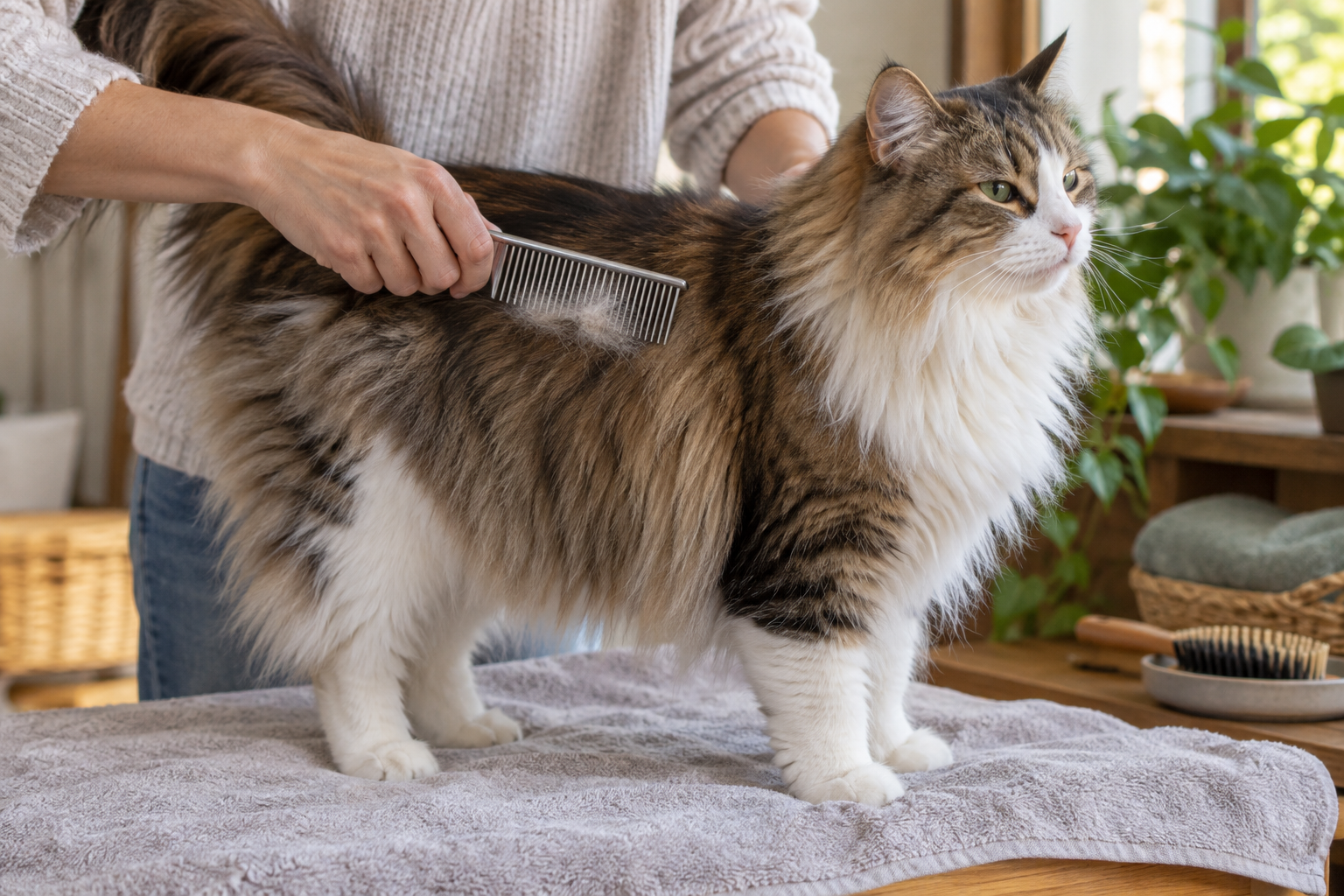
Brushing removes loose hair before it reaches furniture and gives you a regular chance to inspect the skin. Choose a tool that moves through the coat without scraping. A soft brush or grooming mitt may suit a short coat, while a wide-toothed comb can reach through longer fur. Start with a short session when the cat is relaxed, brush in the direction the hair lies, and stop if the skin twitches repeatedly, the cat turns to bite the tool, or the comb meets a tight tangle.
There is no single schedule for every cat. Coat length, season, age, health, and tolerance all matter. Increase the frequency during a period when the tool is collecting more loose hair, then reduce it when the coat settles. Long coats need closer attention because shed hair can remain trapped and form mats; this weekly brushing routine for long-haired cats explains how to divide the coat into manageable areas.
Do not treat the coat with supplements by guesswork
Feed a complete and balanced diet appropriate for the cat’s life stage and provide fresh water in accessible places. A dull coat or increased shedding does not identify a specific nutrient deficiency. Adding fish oil, fatty acids, vitamins, or other supplements without veterinary guidance may unbalance the diet, cause side effects, or delay investigation of an underlying problem. Ingredient lists also cannot show by themselves whether a cat is absorbing nutrients normally.
Bring the food label and a list of treats and supplements to the veterinarian if the coat changes alongside weight loss, digestive signs, poor appetite, or another health change. Do not rely on the skin at the back of the neck “snapping back” as a home diagnosis of mild dehydration; age, body condition, and skin elasticity affect that observation.
Bathing and indoor humidity have limited roles
A routine bath is not required to remove ordinary loose hair. It can add stress, create tangles in a long coat, and irritate skin when an unsuitable product or incomplete rinse is involved. Brush first and use a damp cloth for a small patch of ordinary dirt. If a bath is required for a specific mess or prescribed treatment, follow the guidance on when a cat actually needs a bath.
Heated and air-conditioned rooms can feel dry, but a humidifier is supportive household equipment rather than a treatment for abnormal hair loss. If you use one, follow its cleaning instructions and place it where the cat cannot tip it or chew the cord. Do not expect a target humidity number to correct bald patches, parasites, infection, allergy, or over-grooming.
Manage the hair that remains in the home
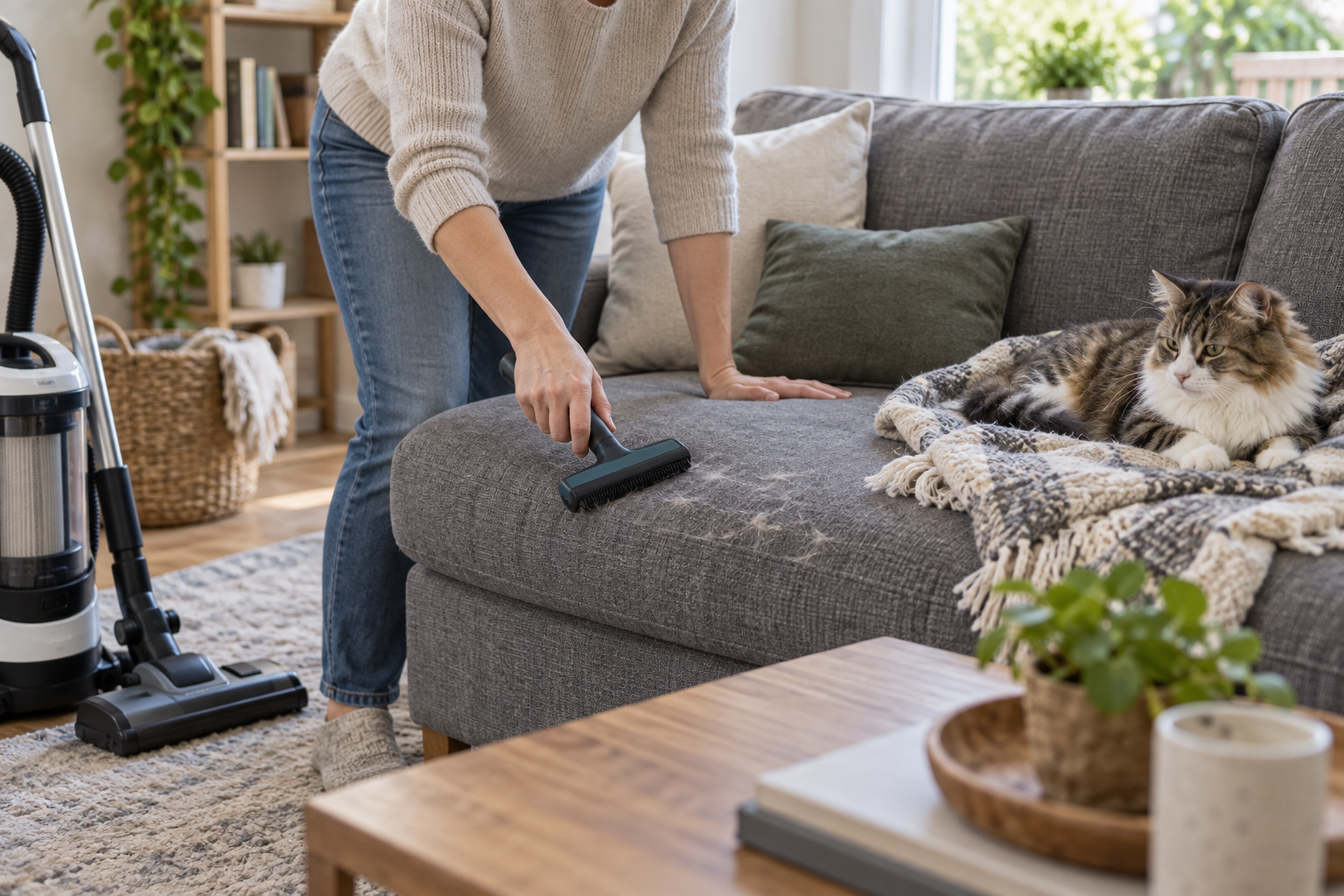
Some shedding remains even with regular grooming. A washable blanket on a favorite resting place concentrates hair in one area. A slightly damp rubber tool can lift hair from upholstery; test it first on a hidden patch of fabric. Vacuum slowly using the attachment recommended for the surface and clean the filter according to the manufacturer’s instructions. A HEPA-filter vacuum or air cleaner may reduce airborne particles for people who are sensitive, but it does not change the cat’s hair-growth cycle.
When the pattern needs a veterinary examination
Arrange an examination for bald or rapidly thinning areas, broken hairs, red or painful skin, sores, crusts, discharge, odor, persistent dandruff, or repeated scratching and chewing. Seek advice sooner if the cat is lethargic, losing weight, eating poorly, or if another animal or person develops suspicious skin lesions. Parasites, infection, allergy, pain, and other medical problems can look similar at home and require different treatment.
Hair loss on the belly, thighs, or tail base is sometimes produced by repeated licking rather than hairs falling out on their own. Cats may groom because of itch, pain, or stress, and the cause cannot be decided from location alone. The guide to cat over-grooming explains what to record and why medical causes should be considered before treating it as a habit.
Sources
Merck Veterinary Manual: Hair Loss (Alopecia) in Cats; Cornell Feline Health Center: Cats That Lick Too Much; Cats Protection: Grooming Your Cat.
Editorial note: The illustrations on this page were generated for DailyTrail to show the observation, grooming, and cleaning setups described. They are not photographs of the author’s animals. This article provides general care information and does not replace advice from a veterinarian familiar with your cat.