
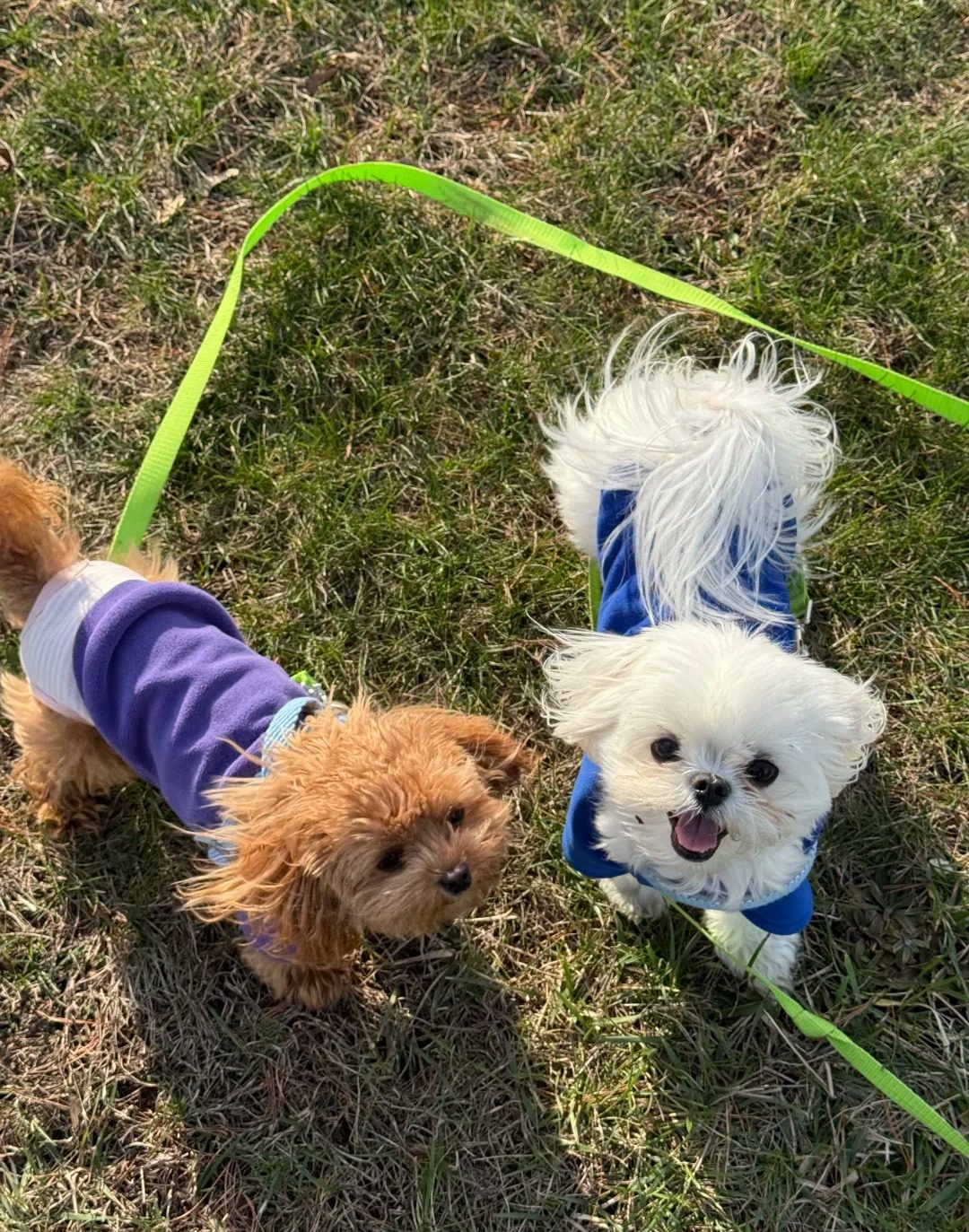
Dog ownership, when you strip it all down, is just a “day in, day out” kind of deal.
Not complicated. But you have to do it every single day. Like brushing your teeth — skip it once, no big deal. Skip it for a month, and suddenly you have a problem. Dog care works exactly the same way. What follows is the routine I have built over years of trial and error. Nothing fancy. Everything in it has a reason.
First Thing in the Morning — Not Breakfast, Outside
Most people wake up and pour the food first. Dog eats, then lies around waiting while you get ready. Then you go out.
That order is backward.
Outside first. Then breakfast. A dog’s digestive system works better when they are active. Morning walk gets elimination out of the way, plus a quick ten-minute stroll to wake the whole body up. When you get back inside and feed them, they are calmer and the food sits better.
Getting up early in winter to walk the dog is rough — I will not pretend otherwise. But think about it. The dog held it all night. They need this more than you do. Bundle up, get out there, walk one loop. You both feel better for it.
Pre-walk check: inspect the leash clasp. Seriously. If that thing pops open mid-walk, you are in for a chase.
Mealtime Is Not Just Dumping Food
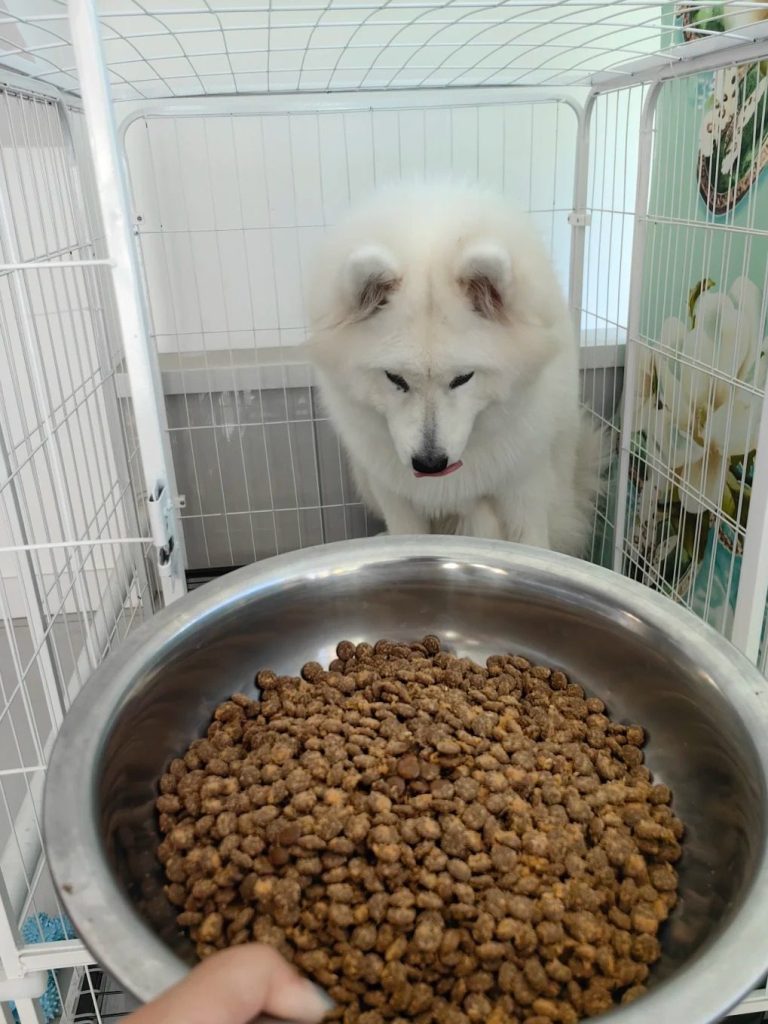
Food hits the bowl. Dog eats. You think everything is fine.
But you might be missing a key opportunity. Observing the meal itself is part of care.
Before eating: Is the dog alert? Any reluctance to approach the bowl?
During eating: Eating with normal enthusiasm? Or walking away after two bites?
After eating: Any vomiting? Belly looking unusually bloated or tight?
You collect this information every single day. When something is off, you notice it early. A lot better than waiting until the dog is lethargic and vomiting to start worrying.
Portion control matters more than I can say. Use a kitchen scale. Do not eyeball it. Especially after neutering — metabolism drops noticeably. What used to be the right amount might now be too much. From above, you should see ribs but not have them sticking out prominently. That is the sweet spot.
Morning Activity — Give Them a Job
After the morning walk and breakfast, the dog will usually settle down to rest. That is fine. But if you work during the day and the dog stays home alone for hours, you need to leave them something to do.
Not just any toy. Challenging toys.
Puzzle feeders are great. Load a portion of kibble into one, and the dog spends twenty minutes rolling it around to get the food out. That twenty minutes of mental effort equals thirty minutes of running, energy-wise. A dog with a job to do is far less likely to redecorate your living room.
Another cheap and effective option: snuffle mats. Hide treats in the fabric folds, and let the dog use their nose to find them. Just the sniffing alone drains a ton of mental energy.
Honestly? Not every toy survives your dog. I have bought “indestructible” toys that were in pieces within fifty minutes. So do not drop a fortune on expensive toys right away. Find what works first.
The Afternoon Walk — Make It Count
Many breeds need far more than a quick stroll around the block.
Moderate-energy breeds: 45 to 60 minutes total daily exercise, split into two outings.
High-energy breeds: 60 to 90 minutes, and not just walking. Include running, chasing, intervals.
If your dog comes home and still paces around, brings you toys, whines while lying down — they are not tired. Do not blame them for chewing the couch. They are not tired enough to care.
For the afternoon walk, go somewhere with “information.” Not the same sidewalk for the thousandth time. A different route. A park. Somewhere with grass and trees. Dogs explore with their noses. It is not just sniffing — it is their mental life.
Check the leash again. Worth repeating a hundred times.
Evening Check — Hands-On Inspection
After the last walk of the day, while the dog is resting, do this: run your hands over their entire body.
This is not just bonding. It is a physical inspection. Are the ears warm to the touch? Any odor coming from them? Any unusual bumps, scabs, or rough patches on the skin? Belly feeling unusually tight? Anything stuck between the paw pads?
Dogs do not tell you when something hurts. But your hands will find it.
Long-haired dogs need extra attention behind the ears, under the armpits, and in the groin area — prime matting spots. Mats are not just ugly. They pull on the skin, create localized inflammation, and can lead to infections.
I do a quick five-minute brush in the evening. Not the full de-shedding production — just a fast pass to catch loose hair and starting tangles. Five minutes daily beats a massive weekly brushing session by a mile. I have skipped a week before. Ended up with mats so tight they had to be shaved off.
Last Potty Break Before Bed
Right before you go to sleep, take the dog out one more time.
Not a long walk. Just a final chance to eliminate.
You cannot skip this step. If you do, the dog either wakes you up in the middle of the night or holds it until morning. Neither option is good for anyone.
Five to ten minutes is plenty. Let them get everything out, then straight back to the crate or bed. Keep this outing as calm as possible. Do not start a play session — or they will come back wired, and you will both be awake longer than you want.
Weekly Tasks That Are Non-Negotiable
Some things do not need daily attention — but they must happen regularly.
Every week: Check the ears. Wipe the outer ear with a damp cotton ball. Do not go deep into the ear canal. If you see dark discharge or a strong odor from the inner ear, that is a vet visit.
Every week: Check the teeth. Gently lift the lips and look at the gums. Healthy gums are light pink. Red, swollen gums, bleeding, or yellow buildup at the tooth base means you need more active dental care. Dental health is directly linked to heart and kidney health in dogs. That is not an exaggeration.
Every two to four weeks: Trim nails. If you hear clicking on hard floors, they are too long. Do not try to get them as short as possible in one go — just take the tips off and avoid the pink part. If you are unsure, trim a little and do it more often.
Track It — Your Memory Is Not Enough
Here is one most people skip: keep the simplest possible record.
How long you walked, how much they ate, any unusual observations. You do not need a journal. A few bullet points in your phone notes every day is enough. The important thing is — when you notice a change in the dog, you can scroll back and find exactly when it started.
That information is worth ten times more than verbal descriptions at the vet.
Final Thoughts
Daily care for a dog boils down to two words: routine and observation.
A consistent daily schedule stabilizes both body and mind. Ongoing observation lets you catch problems before they get big.
Each thing on this list looks small. An extra five minutes walking. A few more seconds running your hands over the dog. One quick note about how much they ate. But those small things add up. They determine whether your dog stays healthy or ends up at the vet.
Do what needs to be done, even on the days you are tired. Years from now, you will look back and thank yourself for not skipping the little things.