
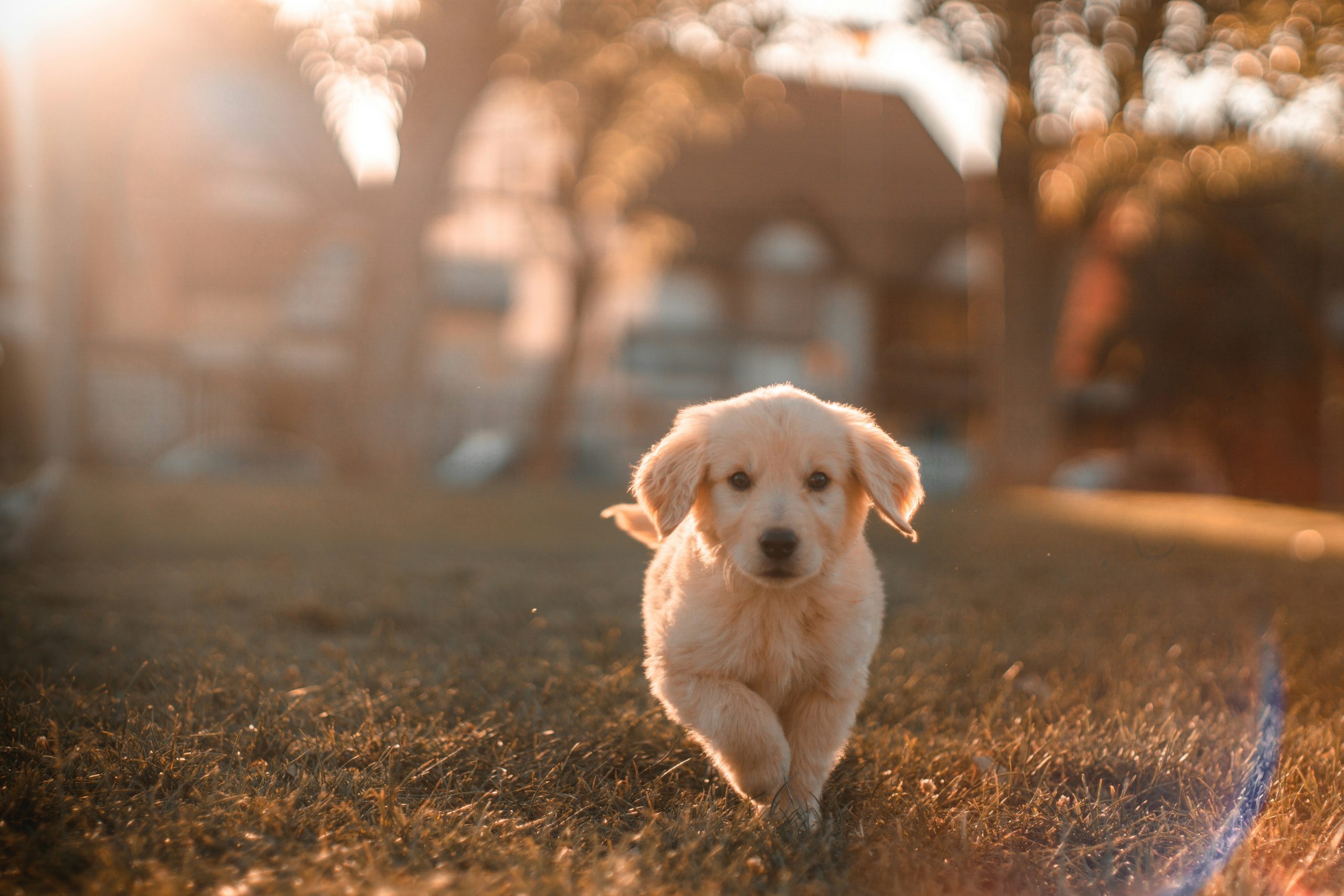
When was the last time you actually felt your dog over? I do not mean just petting them — I mean running your hands over them to check if anything feels off.
With my first dog, I fed him, walked him, and figured as long as he was bouncing around, he was fine. Then he started getting picky about food. I thought it was just the new bag of kibble. A week later, he was limping slightly. I finally ran my hand down his leg and found a thorn buried in his paw pad, already infected.
After that, I started a habit: a few minutes each week, head to tail, a hands-on check. No tools, not much time, but it has saved me a lot of vet visits.
Here is the routine I have put together over the years.
Start at the Nose — Eyes and Nose First
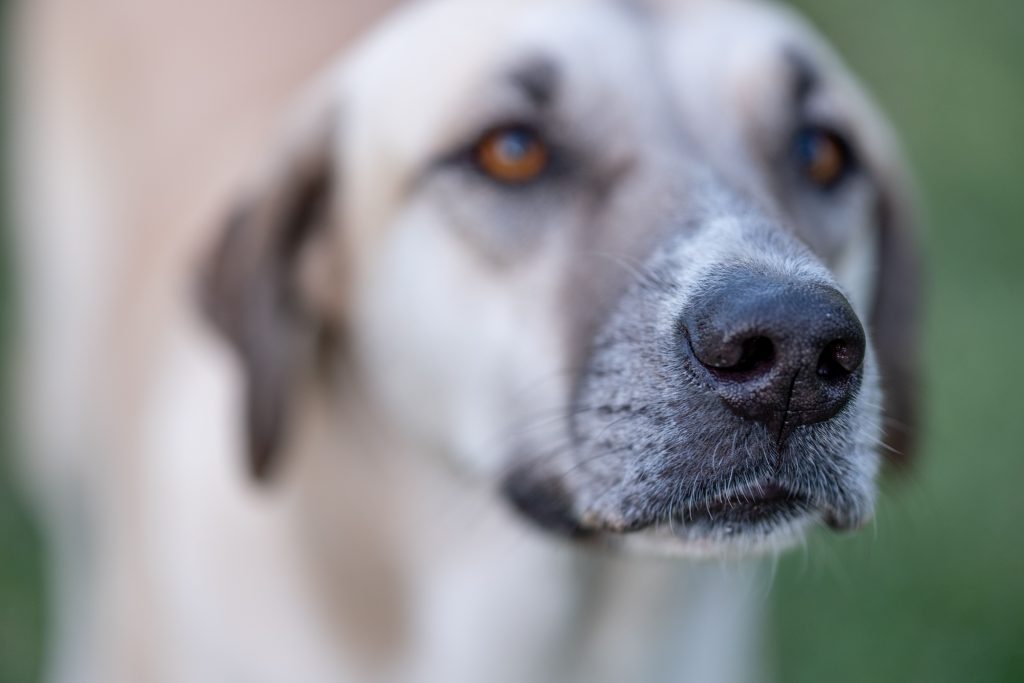
The nose tells you a lot. A healthy dog’s nose should be moist, cool, and clear. Dry and warm is normal sometimes, especially right after waking up. But if it stays dry and cracked, or if there is any discharge — yellow or green, not clear — something is off.
The eyes should be bright, clear, with white around them. If they look red, or there is goopy discharge, or they are tearing up more than usual, it could be irritation or an infection.
While you are up there, take a sniff around the mouth. If the breath is noticeably stronger or smells worse than usual, that could point to dental trouble or something going on in the gut.
Ears — A Lot of Problems Start Here
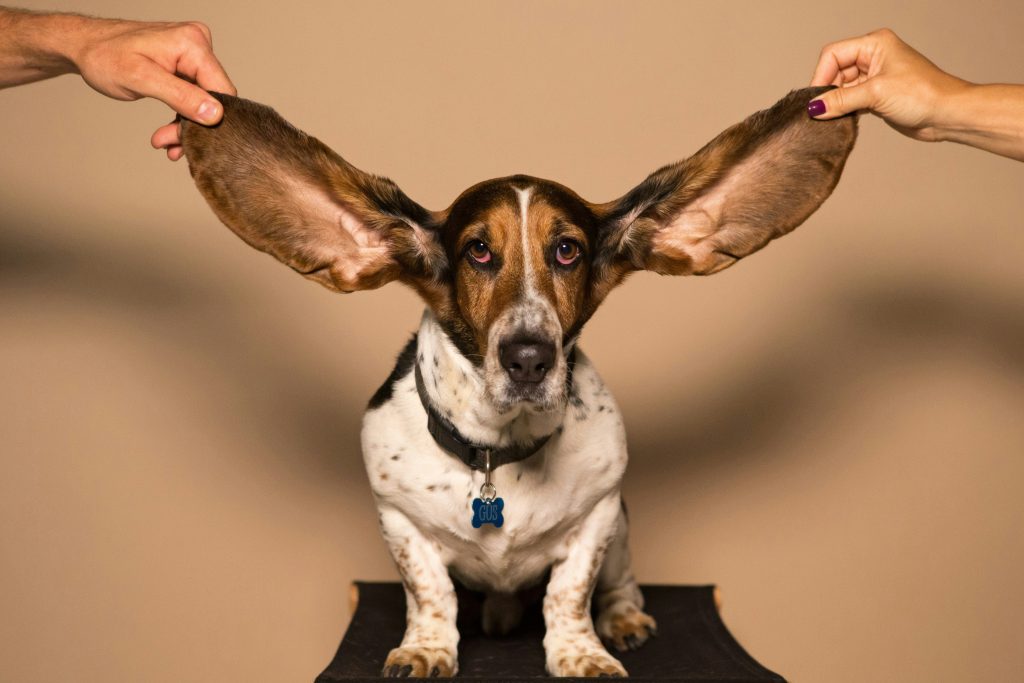
Dog ears, especially on floppy-eared breeds, are easy to overlook.
What to check: fold the ear back and take a sniff. A healthy ear is clean, light pink, and odorless. If you see dark brown or black wax, redness, or a sour or musty smell, that could be a bacterial or yeast infection.
Wipe the outer ear gently with a cotton ball. Do not go poking down into the ear canal. If your dog flinches or pulls away when you touch the ear, the problem is already noticeable enough to call the vet.
Mouth and Teeth — Open Up and Look
Dogs do not brush their own teeth. So their dental health is on you.
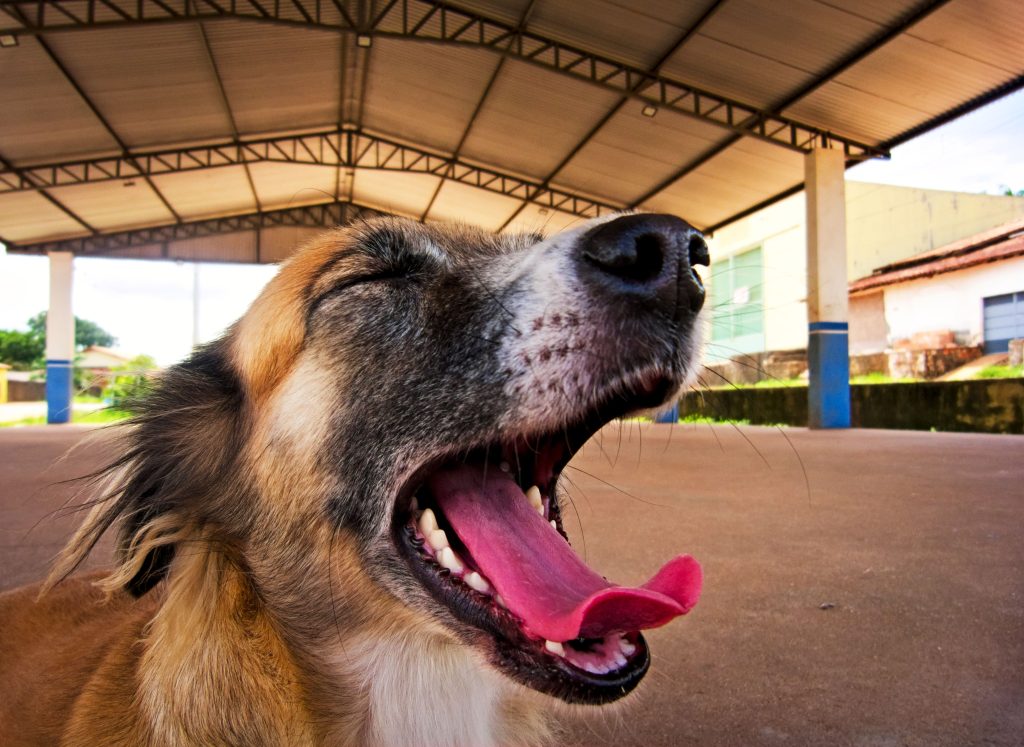
What to check: gently lift the lips and look at the gums. Healthy gums are light pink. If they are red, bleeding, pale, or grayish, that is a sign of gum disease, anemia, or circulation issues.
Look at the teeth, especially the outer sides of the back molars — any yellow or brown buildup? That is tartar. If there is a thick crust near the gum line, that needs a professional cleaning. And breath — mild food smell is normal. Strong rotting smell means bacteria and tartar have been sitting there for a while.
Skin and Coat — Run Your Hands Over Them
I do this step every couple of weeks, usually when the dog is lying down and relaxed.
What to check: run your hand against the direction of the fur and feel the skin. Healthy skin should be smooth, soft, and free of lumps or scabs. If you feel a lump, note where it is, how big, and how firm. Tell the vet at the next checkup.
Any bald patches or flaking? Localized hair loss could mean parasites, allergies, or a skin condition. Lots of dandruff could just be dry skin, but it could also be a sign of external parasites or poor skin health.
Also watch if your dog keeps licking or chewing one spot. That usually means that area is itchy or painful — part the fur and take a closer look.
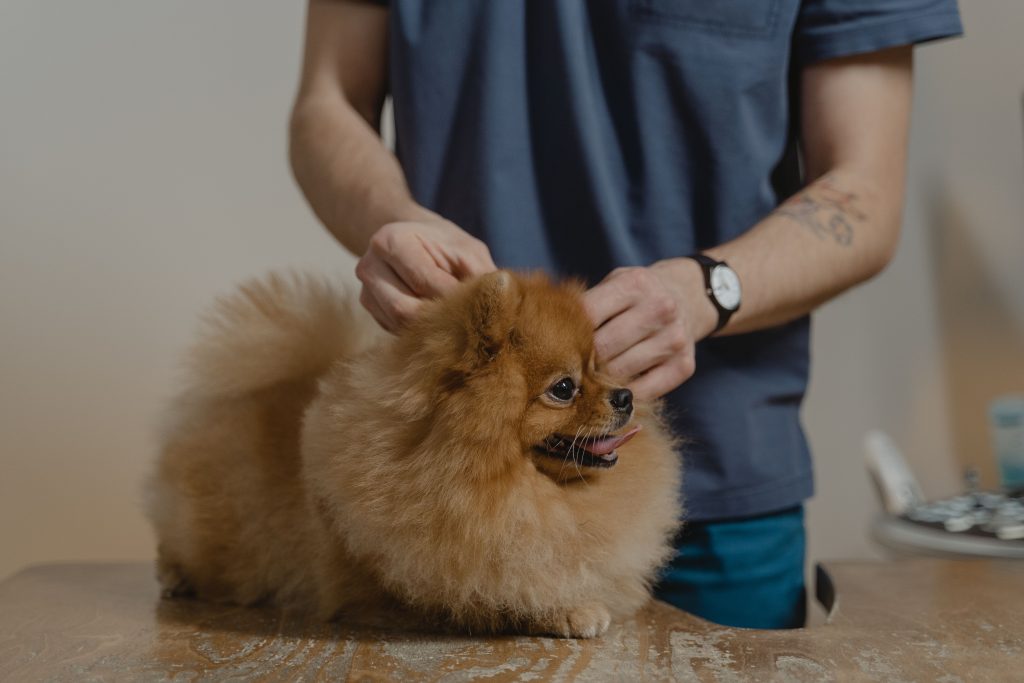
Belly and Legs — Firmness and Flexibility
Belly: press gently on both sides and underneath. Watch if the dog tenses up or reacts in pain. A healthy belly feels soft and pliable, with no bloating or hardness. If it feels tight or swollen, that could be bloat or something else serious — get to a vet fast.
Legs and joints: run your hand down each leg, feeling for heat, swelling, or pain. Then watch how your dog walks — any limping, stiffness, or asymmetry? If yes, focus on that leg. Start from the shoulder or hip and work your way down to the toes, gently bending each joint.
Paw pads: check for cuts, scrapes, foreign objects like glass or thorns, or cracked pads. In winter, salt and de-icer residue can build up between the toes — rinse and dry them after walks.
Weight — The Simplest Thing to Track
I weigh my dog every couple of weeks. Do not just go by feel — a pound or two of gain is not always easy to notice.
Why it matters: A sudden drop of 5 percent or more could mean digestive issues, metabolic problems, or early signs of conditions like kidney disease, diabetes, or tumors. Steady weight gain means you might need to adjust portions.
If you see a noticeable change, think back — has their diet or activity level changed recently? If not, and the trend continues, book a vet visit.
Final Thoughts
All of this takes maybe five minutes. Two minutes if you do not stop to play. Over a year, that is about two hours. But those two hours could catch an infection, a dental problem, or something more serious before it gets bad.
My dog is used to me running my hands over him head to tail every now and then. At first he thought it was playtime. Now he just lies there and lets me.
And that is the point. Health checks are not just for the vet. You are around your dog every day. You are the first person who will notice when something is off.