
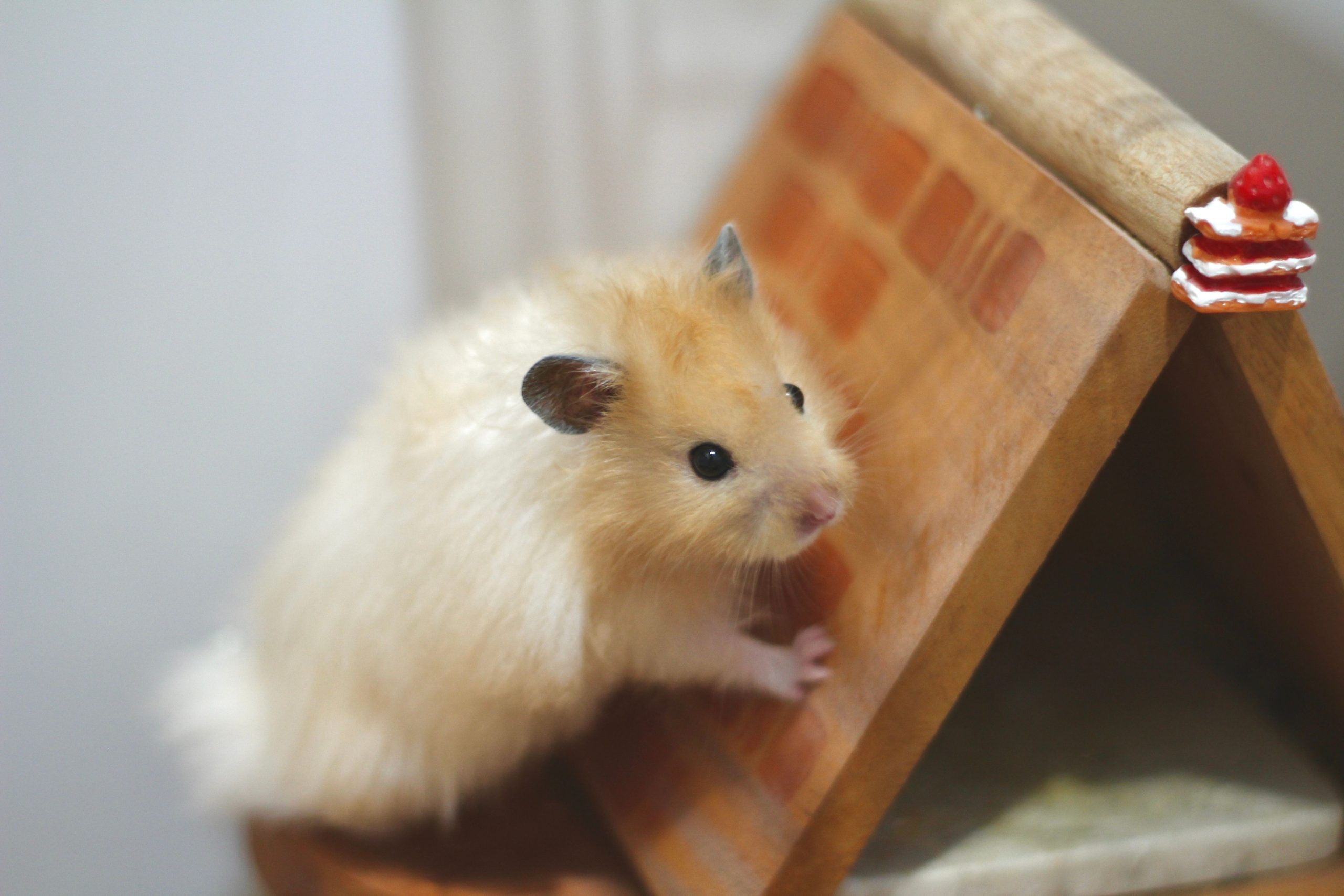
First time I got a hamster, I figured — how hard could it be? Tiny animal, tiny cage, throw in some wood shavings, done.
That Syrian hamster spent two weeks in a cage the size of a shoebox, chewing the bars every single night. Kept me awake for hours. Finally looked it up online and realized that cage was way too small for even a mouse. Got a bigger one. He stopped chewing. I started sleeping. Everybody won.
Hamsters are small, but the care they need? Not small at all. What I’m sharing here came from paying my dues — and losing sleep.
Pick the Right Species — Not All Hamsters Are the Same
Two types you’ll see most often: Syrians and Dwarfs. Their personalities and care needs are pretty different.
Syrian Hamsters — also called golden hamsters. Bigger, about 6 inches fully grown. They are strictly solitary. One per cage, period. Put two together, and they will fight to the death. They are generally calmer and better for beginners.
Dwarf Hamsters — much smaller, 2 to 3 inches. They can sometimes live in groups, but honestly? Fighting is still super common. For beginners, I would still say keep them alone. Saves you the headache.
Figure out which one you want before you walk into the pet store. Do not just pick the cutest one — that is how you end up with a species you are not ready for.

The Cage — Way Bigger Than You Think
Hamsters look small, but they move a lot. Wild hamsters run miles every single night.
Floor space needs to be at least 450 to 600 square inches. Syrians need even more. Height does not matter as much as floor space — hamsters are ground animals, not climbers.
Bottom must be solid, not wire mesh. Their feet are delicate. Wire flooring causes injuries and infections. Also, if you are getting a Dwarf, check the bar spacing — they can squeeze through gaps that look way too small. And once they are out? Good luck finding them.
Glass tanks or large plastic storage bins work great. Add a ventilated lid on top. Good airflow, safe, and keeps the bedding inside where it belongs.
Where NOT to put the cage:
- Direct sunlight — hamsters overheat fast
- Near doors or windows — drafts give them colds
- Next to TVs or computers — they hear high-frequency sounds we cannot, and it stresses them out

Bedding — Go Deep, Then Go Deeper
Hamsters are natural burrowers. In the wild, they dig deep tunnels to sleep, stash food, and hide from predators. If you do not give them enough bedding, they cannot do what their instincts tell them to do — and that stress shows up in other ways.
Bedding depth: at least 6 to 10 inches. Not a thin layer on the bottom. Go deep.
Safe bedding options:
- Paper-based bedding — dust-free, absorbs well, gentle on their lungs
- Aspen shavings — okay, but make sure they are kiln-dried
Stuff to avoid completely:
- Pine and cedar shavings — the oils are toxic to their respiratory system
- Cotton fluff or fuzzy nesting material — tangles around their feet or gets eaten and blocks their gut
- Scented bedding — way too strong for their sensitive noses
Most cages have open tops, so airflow is not a problem. Pile it deep — you want your hamster to be able to make a proper burrow. It is not optional.
The Wheel — Not Optional
Hamsters run miles a night. No wheel means all that energy has nowhere to go — and they start chewing bars, pacing, even hurting themselves.
Two things matter in a wheel: size and surface.
Size must be right. When your hamster runs, their back should stay straight. No arching.
- Syrian: wheel diameter of 10 to 12 inches or more
- Dwarf: 8 to 10 inches or more
Surface must be solid. Wire or mesh wheels are terrible — paws get stuck, injuries happen, and over time, they get foot infections. Go with solid plastic or wood running surface.
Also: get a silent wheel. Hamsters are nocturnal. If you buy a squeaky, rattling wheel, you will know exactly when your hamster wakes up every night. Trust me on this one.
Feeding — More Than Just Sunflower Seeds
Hamsters are omnivores in the wild — seeds, grains, and the occasional bug. They need balanced nutrition.
Main food: Go with pelleted food as the base, not the seed mixes. Seed mixes let hamsters pick out their favorites — usually the high-fat seeds and nuts — and leave the balanced pellets behind. They eat happy, but they are not getting proper nutrition.
Vegetables: A small amount of fresh veggies daily — Romaine lettuce, cucumber, carrot, bell pepper. Carrots have sugar, so do not give them every day. Skip Iceberg lettuce — too much water, not enough nutrition. Remove uneaten fresh food after 2 to 4 hours before it spoils.
Fruits and treats: Once or twice a week, small amounts. Apple (no seeds), banana, blueberries. Sunflower seeds as occasional rewards — not daily.
Never give:
- Onion, garlic, leeks — toxic
- Citrus fruits — too acidic for their stomachs
- Chocolate, alcohol, caffeine — no explanation needed
- Raw beans or potatoes — contain toxins
Fresh water daily in a bottle or bowl. Change it every day.
Cleaning — Regular, but Not All at Once
Hamsters have routines — they pick one corner of the cage as their bathroom.
Daily: Spot-clean soiled bedding and leftover fresh food. Clean the water bottle.
Weekly: Replace some bedding and wipe down the cage with pet-safe cleaner. Do not replace all the bedding at once. Hamsters navigate by scent. Wipe out all their smell, and they get stressed. Keep a handful of old clean bedding and mix it in with the new stuff. They will feel much safer.
Sand Bath — Better Than Water
Hamsters do not bathe in water. It is dangerous and strips the natural oils from their skin. Instead, they use sand — rolling around to absorb excess oil and clean their coat.
Use proper pet sand bath — not dust or baby powder. Some products labeled “dust” are too fine and mess up their lungs. Get a small container, pour in some sand, put it in the cage. Your hamster will figure out the rest. Change the sand once or twice a week.
Daily Observation — They Won’t Tell You They Are Sick
Hamsters are prey animals. They hide illness by instinct — showing weakness in the wild means getting eaten. So by the time something looks obviously wrong, it is usually serious.
Watch for these changes:
- Not eating or drinking way more than usual
- Soft or runny poop
- Cloudy or sunken eyes
- Messy, rough fur, or bald patches
- Teeth too long, drooling, trouble eating
- Dropping weight noticeably
Weigh them weekly — a sudden drop is often the first warning sign.
If something feels off, call a vet. Not just any vet — one with experience in small animals. Do not wait. Hamsters do not have time to wait.
Final Thoughts
Hamsters are small and don’t take up much space. But the amount of care they need? Not small at all. Big enough cage. Deep bedding. Proper wheel. A home of their own. Get these things right, and they will live their quiet little life just fine.
Do it right, and they will be with you for two or three years. Do it wrong, and they suffer — and so do you.
Hamsters cannot talk. But they will show you how they feel — whether they run at night, whether they burrow, whether they eat, whether they are scared of you. Learn to read those signs, and you will be a good hamster parent.