
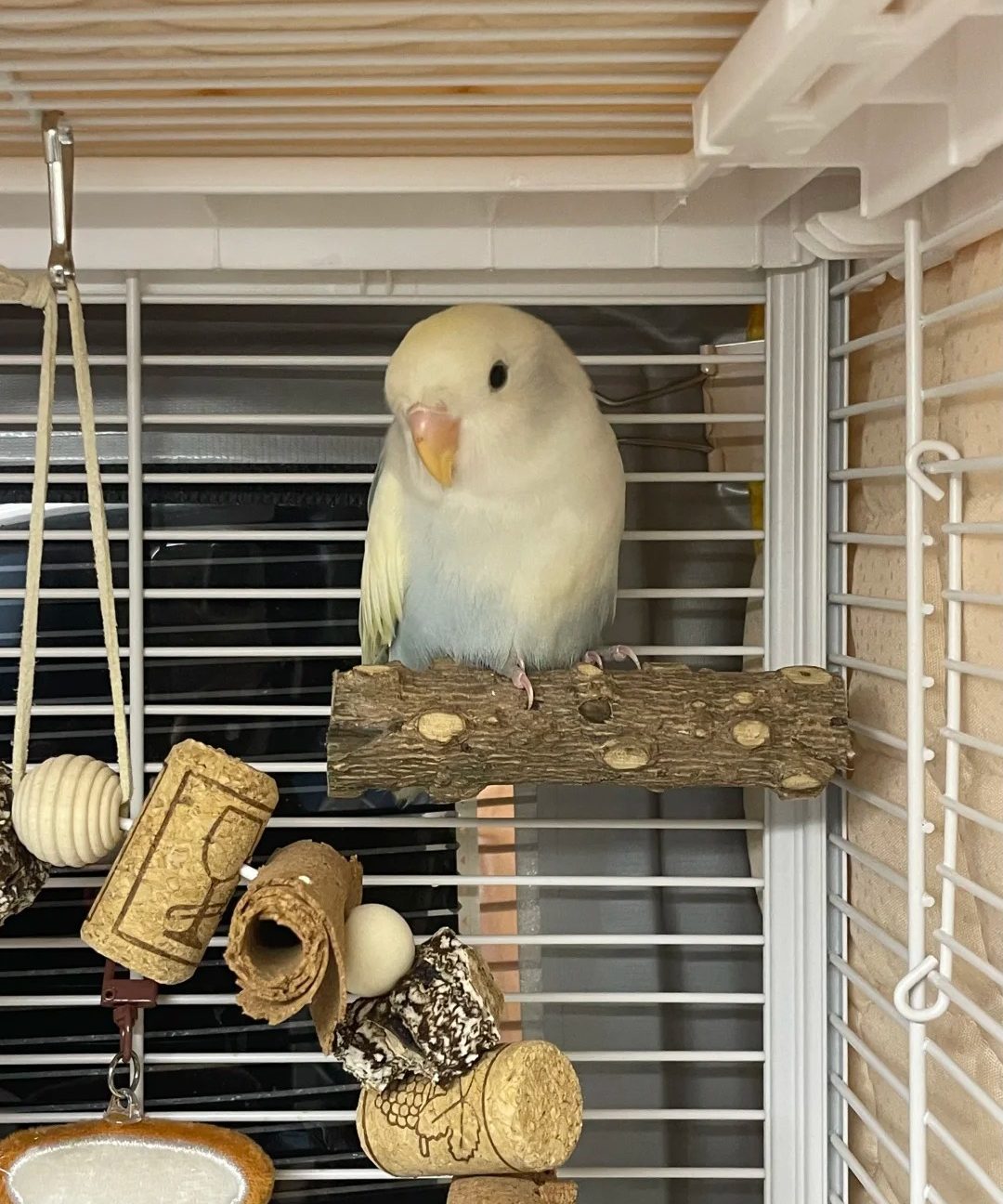
So you got a parrot, and you want it to talk. Maybe you want it to say “hello” when you walk in the room. Maybe you want to impress your friends. Or maybe you just think it would be cool to have a bird that can swear at your neighbors.
I get it.
But here is the thing — not all parrots talk. And the ones that do? They don’t just wake up one day reciting Shakespeare. It takes time, patience, and a whole lot of repetition. And honestly, if you are doing it right, you will sound like an absolute lunatic talking to yourself all day.
I have been that person. I stood in front of my parrot’s cage for weeks, saying “good morning” like a broken record. My neighbors probably thought I had lost my mind. But one morning, I walked in, and the bird looked at me and said it back.
That moment made it all worth it.
Here is what I learned.
Know What You Are Working With
Before you start training, you need to know what kind of bird you have.
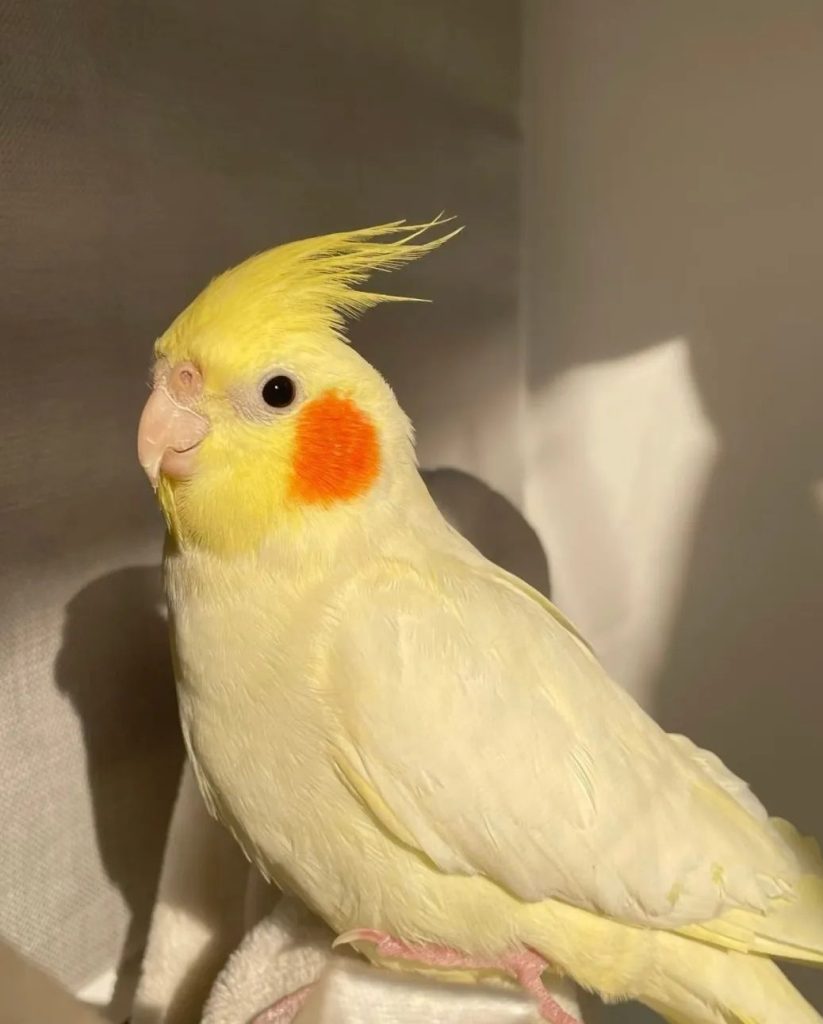
Some parrots are natural talkers. African Greys are famous for it. Quakers are also good. Cockatiels can learn a few words and whistle tunes.
Budgies — yes, they can talk. Not as clearly as the bigger birds, but they can pick up quite a few phrases. I have known budgies that knew thirty or forty words.
But here is the thing — if you have a parrot that is not a talker, do not force it. Some birds just never speak, no matter how much you try. They might whistle, mimic sounds, or just stay quiet.
Talking is not a sign of intelligence. It is a sign that the bird has the right setup, the right personality, and the right motivation. If they do not talk, they are not broken. They just have other ways of communicating.
Start with Something Simple
Do not start with “I want a cracker” or “hello, how are you today.”
Too long. Too many syllables.
Start with one word. Two syllables max. “Hello.” “Good.” “Hi.”
Keep it short. Keep it clear. Say it the same way every single time.
You are not teaching a graduate student. You are teaching a parrot. They learn through repetition, not through understanding the nuance of the phrase.
Timing Is Everything
Parrots are most alert and receptive in the morning and early evening. That is when they are most focused and most likely to pay attention.
Do not try to train them when they are tired, stressed, or just want to be left alone. Pay attention to their body language. If they are fluffed up and quiet, leave them alone. If they are active and chirping, that is your window.
The morning is the best time. They have had a good sleep, they are full of energy, and they are ready to interact.
Use Food as a Reward
If you want results quickly, use food.
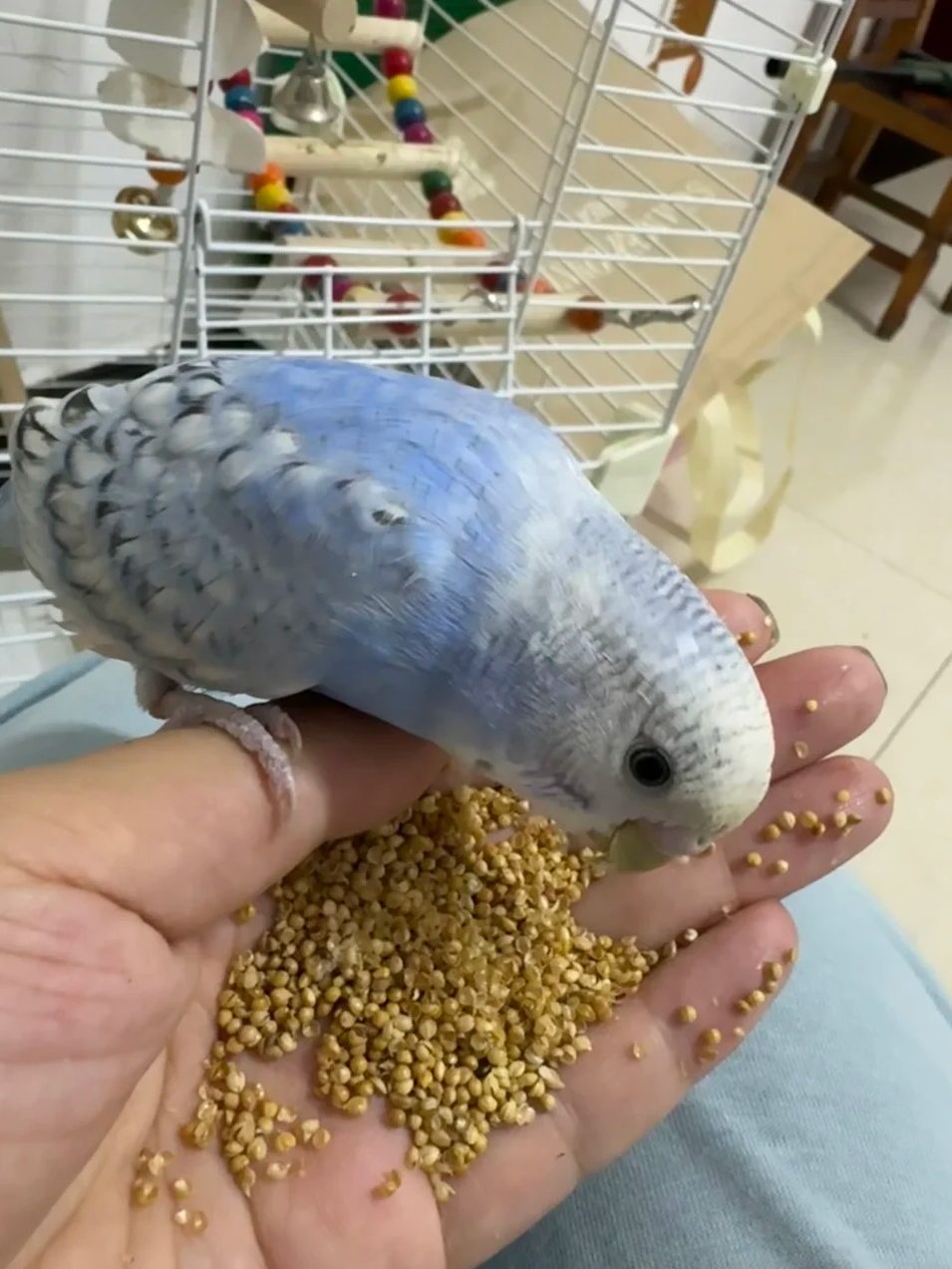
Pick a treat that the bird loves — a sunflower seed, a piece of fruit, a bit of millet. Use that treat only during training sessions. That way, they associate the treat with the training and pay more attention.
When they try to repeat the word — even if it comes out sounding like a mess — give them the treat immediately. Reward the attempt, not just the perfect performance.
Positive reinforcement works so much better than getting frustrated with them when they do not get it right.
Repetition — and Lots of It
Parrots learn through repetition. They need to hear the same thing over and over before they can repeat it.
Say the word ten times in a row. Then repeat that process later. And again. And again.
I used to say “good morning” thirty or forty times in one session. It felt absurd, but it worked.
The more they hear it, the more likely they are to pick it up. If you only say it once in a while, they will never learn it.
Environment Matters
If your bird is in a noisy, chaotic environment, they are not going to focus. They are going to be distracted by every sound, every movement, everything happening around them.
Choose a quiet place for training. It does not have to be silent, but there should not be a TV blaring in the background or kids screaming in the next room.
Also, minimize distractions inside the cage. If there is a loud toy, remove it. If there is another bird, train them separately.
The more focused the bird is, the faster they will learn.
Pair Words with Actions
Parrots are smart enough to connect words with what is happening around them.
If you want them to learn “good morning,” say it every time you uncover their cage in the morning. If you want them to learn “step up,” say it every time you put your hand out.
They learn by association. The more you connect a word to an action or a moment, the more likely they are to pick it up.
Do not just say random words at random times. Give them context.
Use Other Birds (or Recordings)
Parrots learn from each other.
If you have another parrot that talks, the quieter bird will often start picking up words just by listening.
If you do not have another bird, you can use recordings. Record yourself saying the word and play it back. Or search for parrot training audio online.
But be careful — if you play it too often, the bird will get bored. Use recordings as a supplement, not as the main training method.
Be Patient
This is the part nobody likes to hear, but it is true.
Parrots do not learn on a schedule. Some pick up words in a few weeks. Others take months. Some never say a single word.
If your bird does not talk right away, do not take it personally. It does not mean you are doing anything wrong. It just means the bird is not ready yet.
Keep going. Stay positive. Do not get angry, do not raise your voice, do not give up.
And do not make the same mistake I did — I got so obsessed with getting my first parrot to talk that I completely missed what it was actually trying to communicate to me.
The Final Thought Nobody Talks About
A parrot that talks is amazing. But a parrot that does not talk? They are still amazing. They can still bond with you, learn tricks, and be a great companion.
When your parrot says that first word, it is magic. But if it never does? You are still lucky to have that bird in your life.
Do not get so caught up in getting them to talk that you forget to enjoy them for who they are.