
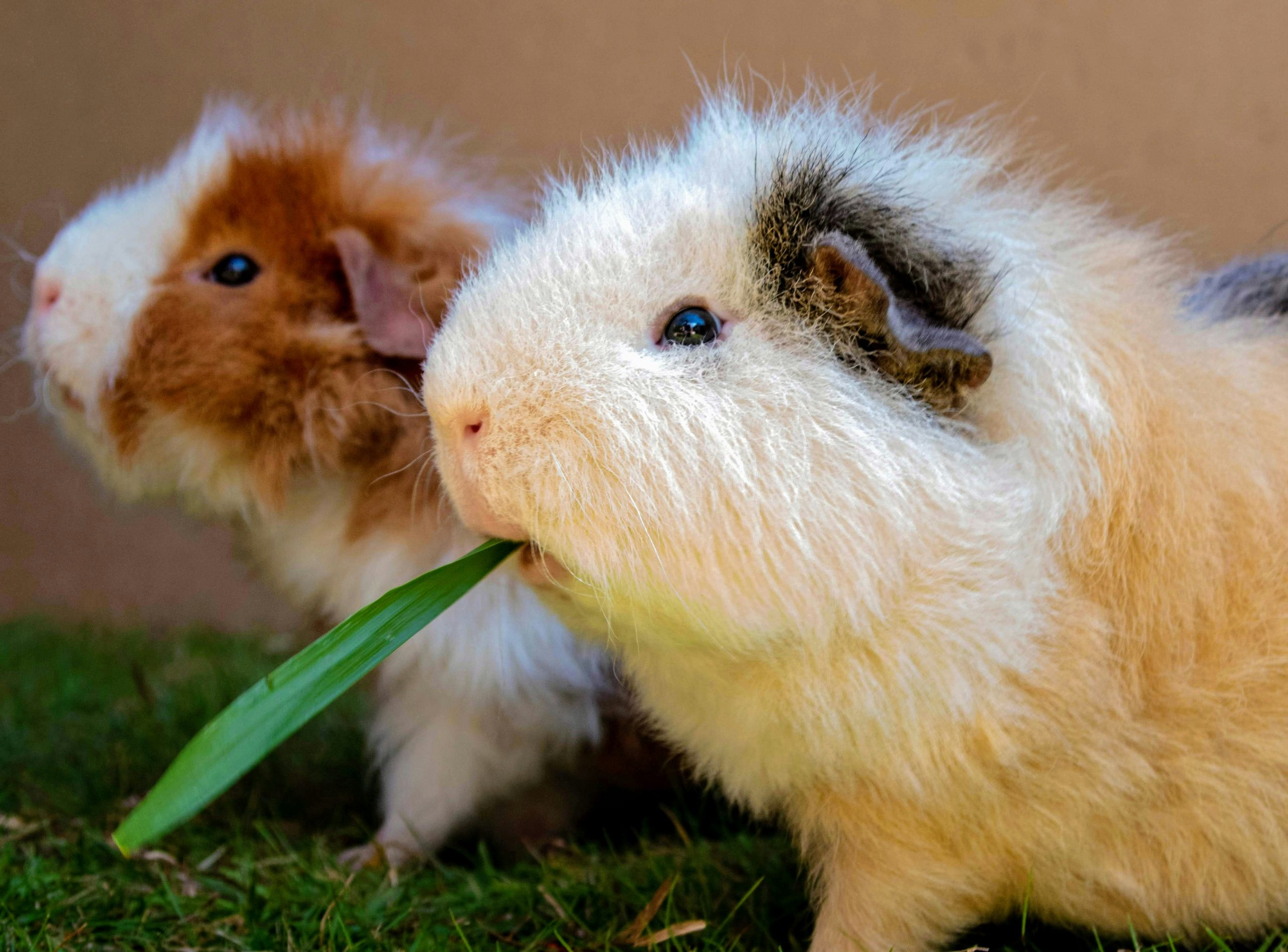
First time I saw a newborn guinea pig, I was honestly shocked. Fully furred, eyes open, running around within hours of being born. Meanwhile, I was over here panicking, thinking they would be helpless little blobs like newborn puppies or kittens.
Turns out, guinea pigs are born ready to roll.
But that does not mean you can just toss them in a cage and call it a day. Baby guinea pigs have their own set of needs — and if you ignore them, things go south fast.
What to Expect with Newborn Pups
Baby guinea pigs are called pups. They are born with their eyes open, fully furred, and able to move around within a few hours of birth . They will start nibbling on solid food almost immediately — hay, pellets, even veggies — while still nursing from their mother for about three weeks .
One thing that surprised me? Pups are super independent from day one. They watch their mother eat and learn from her what is safe . So if you have a good mother pig, she is doing half the work for you.
Housing Baby Guinea Pigs
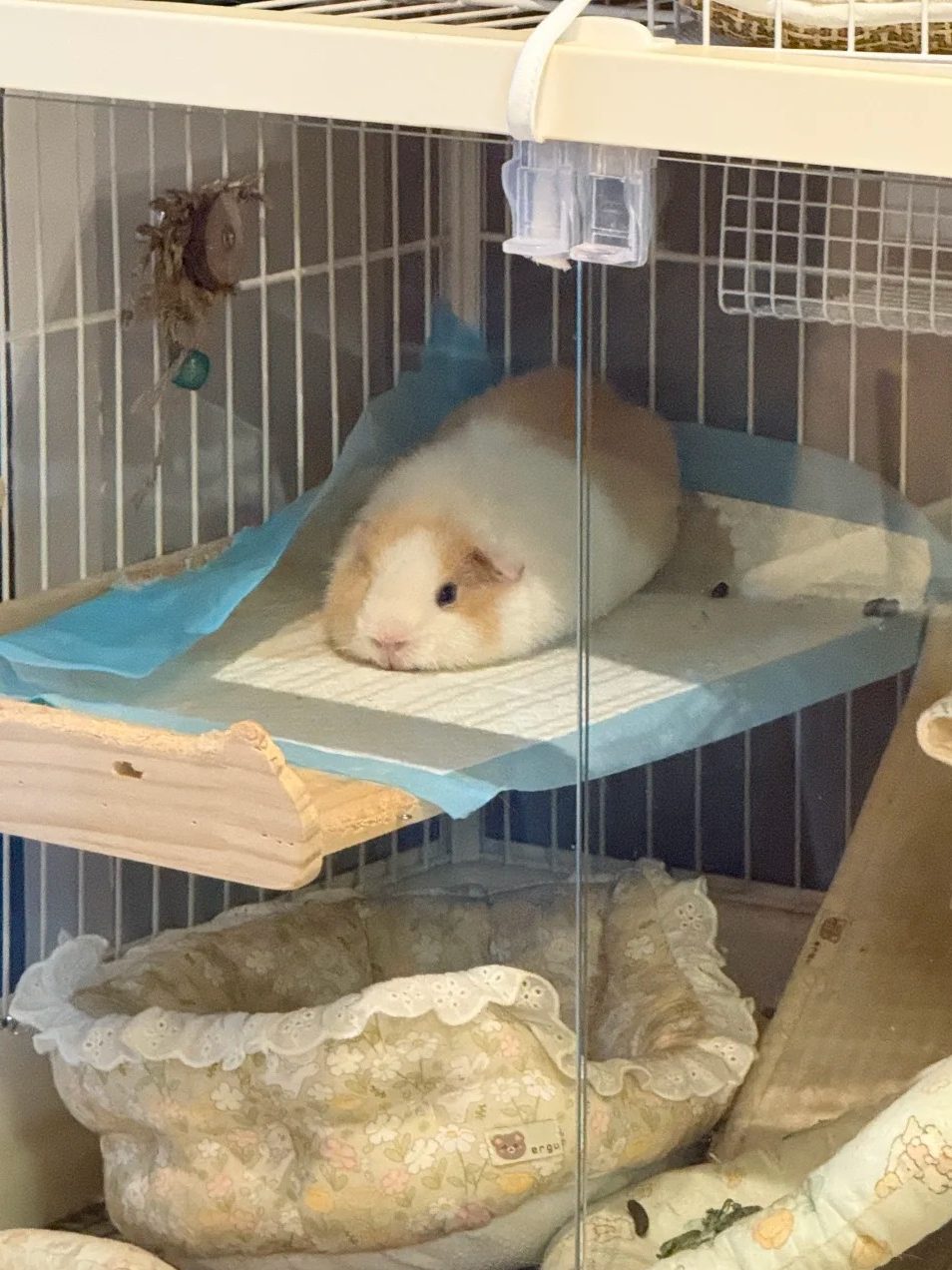
Here is something I did not think about until it happened — baby guinea pigs can escape through cage bars that adults cannot.
If you are using a C&C cage or similar setup, switch to baby grids or bar grids with smaller holes so the pups cannot squeeze through . You can also double up regular grids by overlapping them.
Bedding for babies: paper-based bedding is the safest choice — dust-free, absorbent, and safe if nibbled . Avoid pine or cedar shavings — they irritate young lungs. And do not use towels or carpet as bedding either — the fibers can get tangled around tiny toes.
One more thing — keep the cage in a quiet area away from other pets. Cats and dogs can stress pups out or worse. Their immune systems are still developing, so cleanliness is extra important .
Handling and Socialization
Baby guinea pigs are small and wiggly. Wiggly enough to jump right out of your hands if you are not careful.
Always support their whole body when picking them up — one hand under the chest, the other supporting the back end . Keep them close to the ground in case they squirm out.
Start handling them gently from day one. Short sessions, calm voice, lots of treats. This is how you get a friendly adult pig instead of a skittish one that runs every time you open the cage.
If you have kids, always supervise when they handle babies. Pups are fragile and quick .
Nutrition for Young Pigs
This is where things get a bit different from adult guinea pigs.
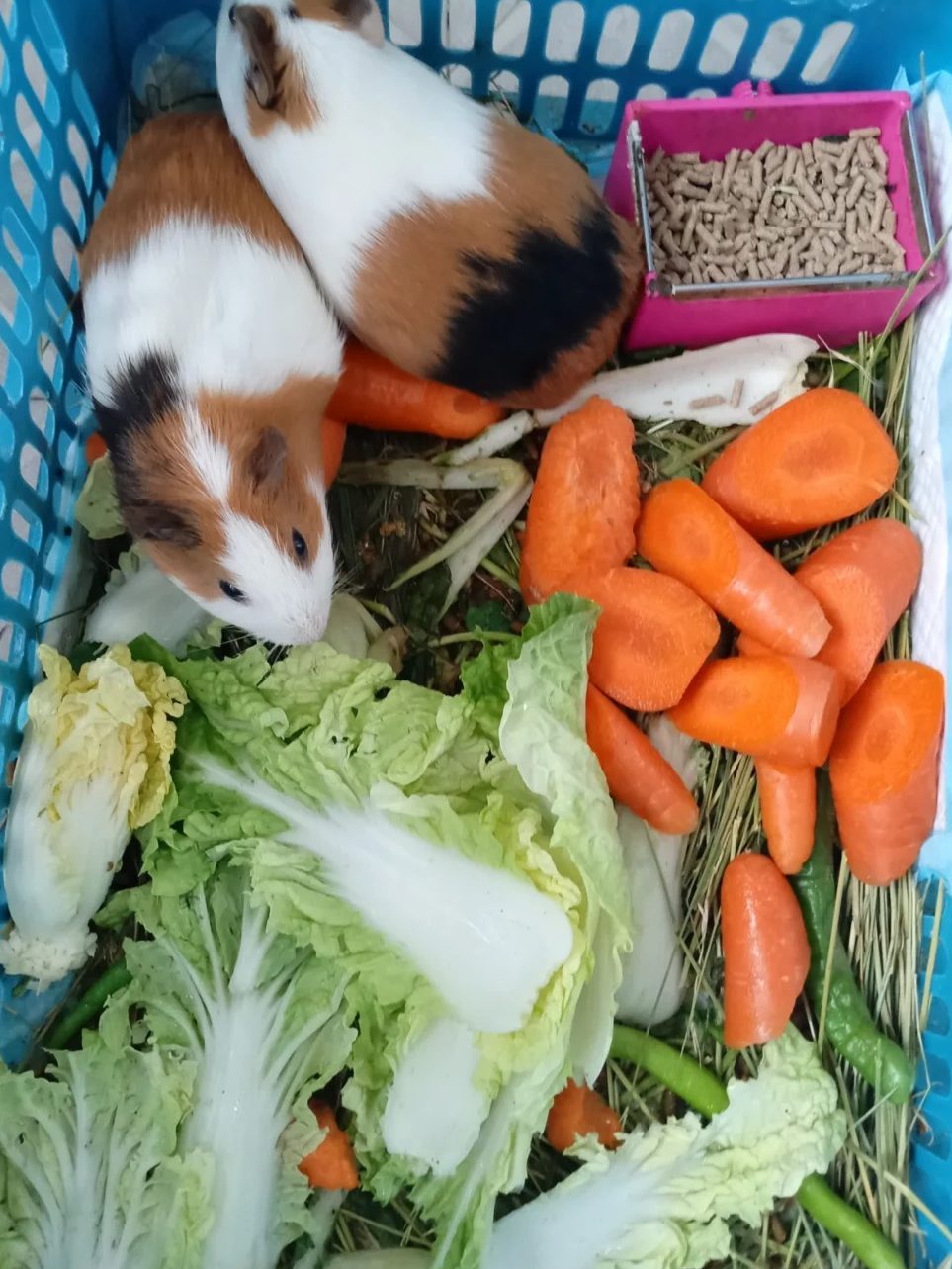
Hay: Unlimited access to high-quality hay is non-negotiable. Here is the difference — during the first few months, alfalfa hay is actually recommended for growing pups because it has higher calcium and protein, which support bone development and growth . Adult guinea pigs should not have alfalfa, but babies? Yes.
Pellets: Offer alfalfa-based pellets for young guinea pigs under six months, rather than the timothy-based ones adults eat . They need the extra nutrients for rapid growth. Feed them free-choice until they are around six months old — unlimited pellets for babies.
Vitamin C: Here is the thing — guinea pigs cannot make their own vitamin C, and babies are growing fast, so their need for it is even higher . Red bell peppers are one of the best sources — high in vitamin C, low in sugar. Small amounts of parsley and kale work too, but not too much because of calcium. Just make sure they are getting vitamin C every single day. Scurvy is real and it hits fast.
Veggies: Introduce leafy greens slowly. One new veggie at a time, small amounts. Watch for soft stools. If that happens, back off and try something else.
Water: Fresh water always available, changed daily. Use a small water bottle — bowls can be tipped over, and wet pups get cold fast .
The Weaning Timeline
Pups usually wean from their mother at around three weeks of age . That is when they transition fully to solid food.
Important: Male pups need to be separated from their mother and sisters at three weeks . Guinea pigs can breed as early as 3 to 4 weeks, and you do not want unplanned pregnancies. Females can stay together.
By six to eight weeks, most pups are ready to go to new homes . But if you are keeping them, they can stay with their mother as long as they are eating solid food.
Signs of Illness in Baby Guinea Pigs
Baby guinea pigs are fragile. And they hide illness very well.
Watch for:
- Not eating or drinking
- Weight loss
- Diarrhea or weird-looking poop
- Lethargy — not moving much, sitting hunched
- Sneezing or discharge from nose or eyes
If you see any of these, call a vet immediately. Do not wait. Young pigs go downhill fast .
Bonding and Socializing
Guinea pigs are social animals. A single pup will get lonely and depressed. In the wild, they live in groups. In your home, they need a companion.
When introducing two baby guinea pigs:
- Start with same-sex pairs to avoid babies
- Let them see and smell each other through the cage bars first
- Swap bedding between their cages so they get used to each other’s scent
- Do face-to-face introductions in neutral territory — a playpen or a clean room where neither has established dominance
Pups usually bond faster than adults because they are still figuring out the world. Take it slow but do it right.
Final Thoughts
Raising baby guinea pigs is not rocket science, but it does take a bit more attention than adult pigs. Right hay, right pellets, vitamin C every day, clean cage, and a buddy to grow up with.
If you set them up right from the start, you will have friendly, healthy pigs that live five to seven years. And honestly? Watching them popcorn — that little jump they do when they are happy — never gets old.