
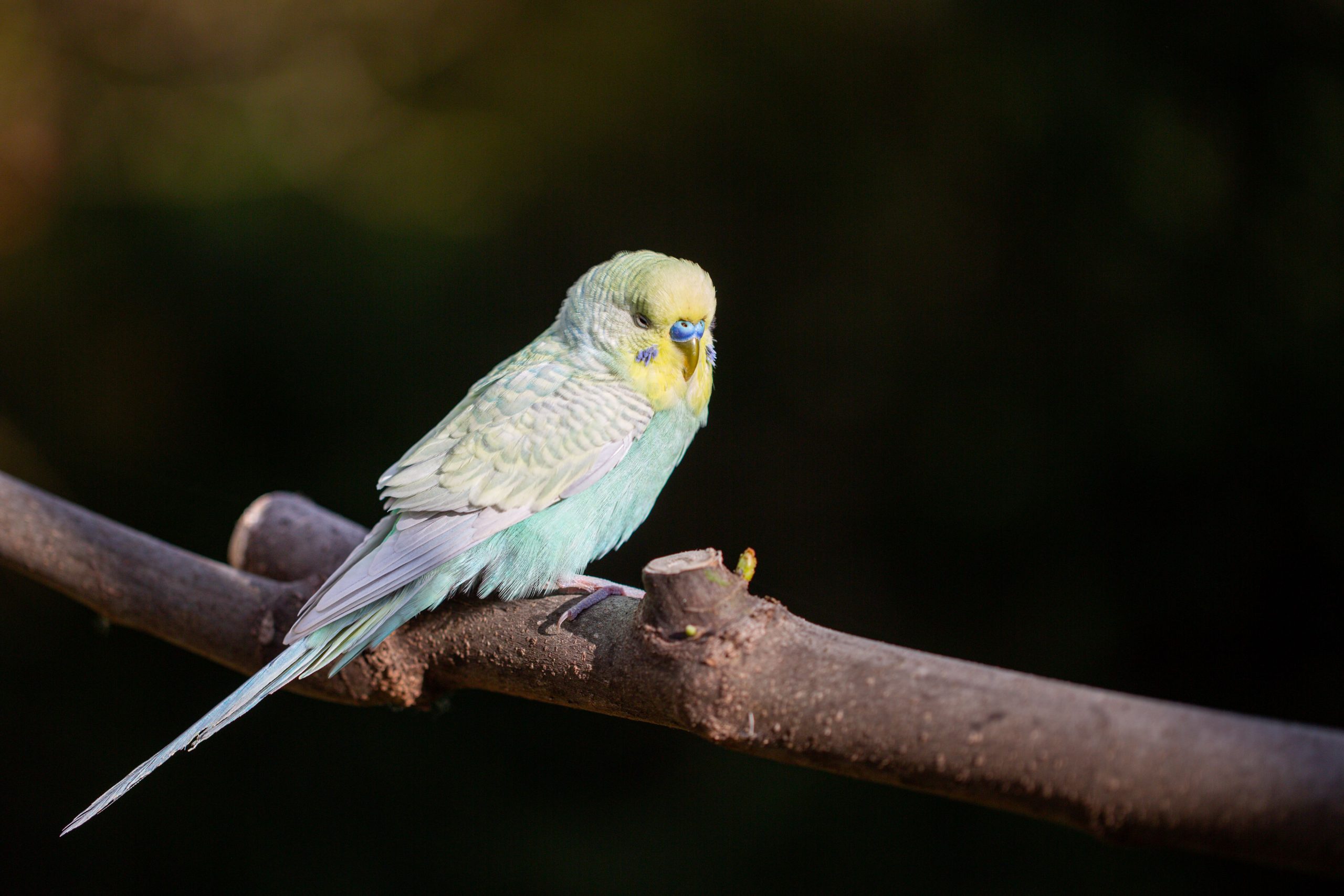
You know what I love about budgies? They are tiny, colorful, and full of personality. You know what I did not love? The first one I brought home stayed puffed up and quiet for three days straight, and I spent that entire time convinced I had somehow broken it already.
Turns out, they just need a minute to settle in. But also — they need a lot more than a seed bowl and a mirror to actually thrive. Here is what I learned after that initial panic wore off.
The Cage — Bigger Than You Think, Wider Than You Expect
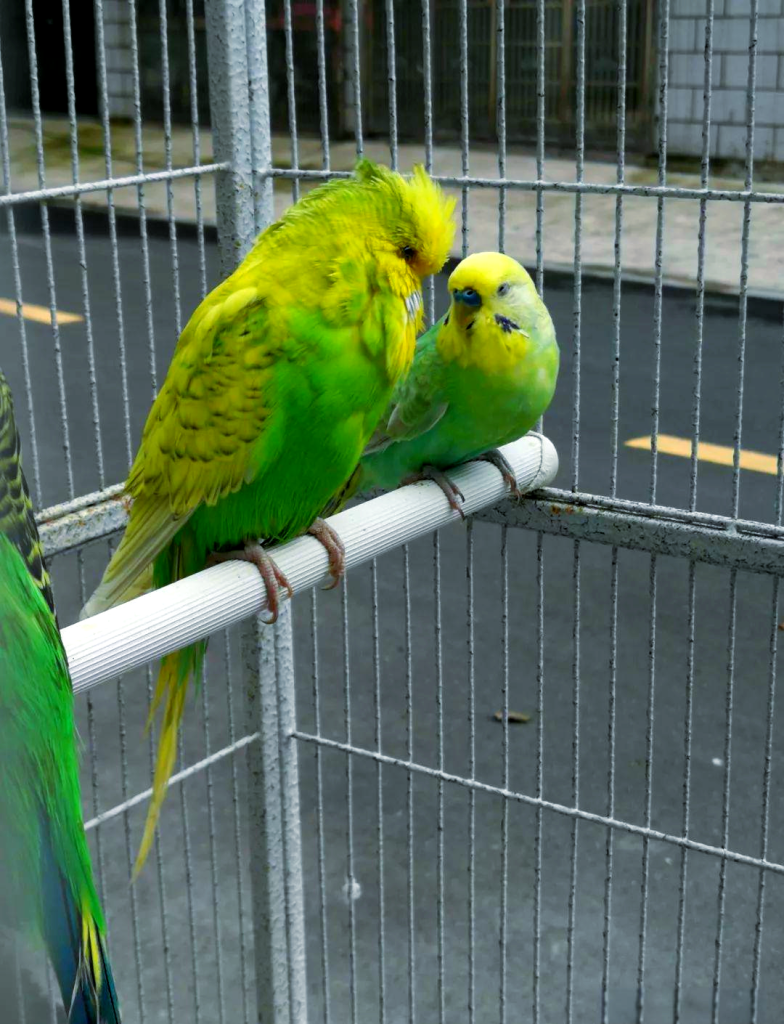
Budgies are small, but they fly. And when I say they fly, I mean they want to move horizontally — not just up and down to a bunch of perches stacked like a ladder. If you give them a tall skinny cage, they are not really getting what they need.
Minimum for a single bird: 18 inches wide, 18 inches deep, 18 inches tall. If you have two? Go bigger. At least 30 inches wide. The width is where the movement happens .
Bar spacing is sneaky important. Should be around half an inch or less. Any bigger and your budgie can get their head stuck, which is a really bad way to find out your cage is too wide.
Bottom of the cage: line it with paper. Newspaper, paper towels, butcher paper. Do not use glossy magazine pages — the ink can be toxic. Change it daily. This is not just about keeping things clean — you will notice changes in their droppings way faster when you look at fresh paper every day .
Where to Put the Cage — and Where NOT to Put It
I once put a cage in the kitchen because it seemed like a “family hub” spot. Bad idea. So bad.
No kitchens. The fumes from cooking, non-stick pans, and cleaning sprays are toxic to birds. Their respiratory systems are incredibly efficient — meaning they absorb everything in the air, including the stuff that kills them .
No direct sunlight — they overheat. No drafty windows — they get sick. No loud, chaotic spots where they cannot get away from noise.
Best spot? A quiet corner where they can see what is going on but still feel safe. Eye level or slightly below. Too high, and they feel dominant. Too low, and they feel vulnerable. Somewhere in between works well.
Perches — They Need Variety
One uniform dowel perch from one side of the cage to the other? Boring. And not great for their feet.
Budgies need perches of different thicknesses, textures, and materials. Natural wood branches with varying diameters are ideal. They keep their feet exercised and prevent pressure sores.
Things to rotate through:
- Natural wood perches (apple, willow, manzanita — untreated)
- Rope perches (but watch for fraying — their toes can get caught)
- Pedicure perches (textured ones that help file nails)
Do not put perches directly over food or water bowls. You will end up with droppings in the food, and that is gross for everyone involved .
Food — Pellets First, Seeds Second
Here is the thing that took me way too long to figure out: budgies are picky eaters. If you give them a seed mix, they will eat their favorites first — usually the fatty sunflower and millet — and leave the rest. That is a one-way ticket to malnutrition and fatty liver disease .
The right approach:
- 60 to 70 percent pellets — nutritionally complete, every piece is the same, they cannot pick out “the good stuff”
- 20 to 30 percent fresh vegetables and leafy greens — daily
- Fruits once or twice a week — limited because of sugar
- Seeds as treats — occasional, not the main event
Vegetables they like: carrots, broccoli, bell peppers, leafy greens. Kale, Swiss chard, romaine (not iceberg — too watery, not nutritious).
Safe fruits: apple (seeds removed), blueberries, melon, papaya, mango.
What to NEVER give: avocado, chocolate, caffeine, alcohol, onion, garlic, fruit seeds, anything with salt or sugar .
Water — Daily Refills, Daily Scrubs
Change the water every single day. Not just topping it off. Empty, scrub, refill.
Budgies like to bathe in their water dishes, which means bits of food and droppings end up in there fast. If you do not clean it daily, you are basically serving them bacteria soup .
You can also offer a separate shallow dish for bathing — they will enjoy splashing around. Just keep it shallow enough that they cannot accidentally drown.
Toys and Entertainment — They Get Bored Fast
Budgies are smart. And curious. And if you do not give them things to do, they will find things to do — usually screaming or chewing on things you do not want them to chew.
The basics:
- At least three toys in the cage at any given time
- Rotate them weekly — move toys around or swap them out so things stay interesting
- Foraging toys are ideal — ones where they have to work to get the food out
- Things to chew — cardboard tubes, paper, untreated wood
Stuff to avoid: toys with small parts they can swallow, bells that are not securely attached, anything with string or fabric loops that could wrap around their feet or neck.
Do not give them mirrors if you have a female budgie in breeding condition — it can trigger unwanted nesting behavior .
Out-of-Cage Time — Supervised and Safe
Budgies need to come out of the cage daily. They need to fly, climb, and explore to stay physically and mentally healthy.
Before you let them out:
- Close all doors and windows
- Turn off ceiling fans
- Cover mirrors and glass windows (they fly into them)
- Hide electrical cords
- Keep other pets out of the room
Start with short sessions — 15 to 20 minutes — and work your way up. Always supervise. They can get into trouble fast .
Light and Sleep — They Need a Schedule
Budgies need about 10 to 12 hours of dark, quiet sleep every night. If they do not get it, they get stressed, hormonal, and cranky.
Use a cage cover at night to block out light and create a cozy, secure space. Cover it around the same time every evening, and uncover it at the same time every morning. They thrive on routine .
During the day, if they do not get natural sunlight (and most indoor birds do not — window glass blocks UVB), consider a full-spectrum UVB lamp designed for birds. It supports calcium metabolism and feather health .
Health Checks — They Hide Illness
This is the thing that scares me the most about budgies. They are prey animals. They hide symptoms until they are really, really sick. By the time they look visibly unwell, it is often urgent.
Check daily:
- Eyes bright and clear?
- Nostrils clean, no discharge?
- Feathers smooth and flat — not puffed up constantly?
- Active and alert — not sitting still looking sleepy?
- Droppings normal? (formed, green-brown with white urates, not too wet)
Signs that need a vet:
- Fluffed feathers and hunched posture
- Lethargy or closing eyes during the day
- Tail bobbing with each breath (respiratory distress)
- Loss of appetite or sudden weight loss
- Sneezing, wheezing, wet discharge
- Vomiting or regurgitation (different from normal feeding behavior)
- Any bleeding, lumps, or swelling
Annual checkups with an avian vet are strongly recommended. Find a vet that specializes in birds before you need one — it is way less stressful for everyone .
One Thing I Wish Someone Had Told Me
Budgies are social. They need interaction — not just food and water. If you only have one, you become their flock. Talk to them, sit near the cage, and let them get used to your presence. It takes weeks or months, not days .
And here is the thing — they will bond. They will chirp when they see you. They will step onto your finger eventually if you are patient. But they do not bond on your schedule. They bond on theirs.
One last bit of honesty: they are loud. They chirp, chatter, and make noise all day. If you want a quiet pet, get a fish. But if you want a little bird that will greet you in the morning and give you a reason to laugh every single day, a budgie is a good choice — as long as you are ready for the noise.